
Chinese Aviation Industry Struggles with Severe Weather Disruptions
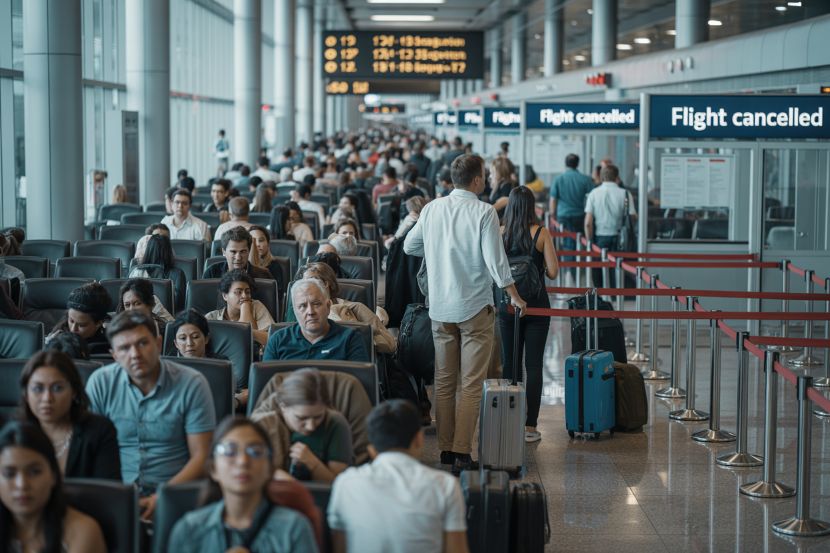
China's aviation sector is experiencing significant operational challenges as extreme weather conditions have forced major carriers to cancel 53 flights and delay 699 others, highlighting critical weaknesses in the industry's crisis management capabilities.
Major Airlines Hit Hard by Weather Systems
Three of China's prominent airlines have been severely impacted by the adverse weather conditions. China Eastern Airlines cancelled 20 flights across its network, affecting routes from Shanghai, Beijing, and Dubai. Air China grounded an equal number of scheduled services, disrupting both domestic routes within China and international connections to cities including Xiamen and Dubai. Meanwhile, China Express Airlines cancelled 13 services, primarily affecting domestic travel between cities such as Changzhi and Ulanhot.
The disruptions have particularly affected key aviation hubs including Beijing Capital International Airport, Shanghai Pudong International Airport, and Dubai International Airport, demonstrating the interconnected nature of modern aviation networks and their vulnerability to weather-related disruptions.
Economic Impact and Passenger Consequences
The widespread cancellations have created substantial economic consequences for both airlines and passengers. Travelers have faced extended waiting periods, difficulty securing alternative bookings, and inadequate communication from airline staff. Many passengers have been forced to seek overnight accommodation at airports or nearby hotels, placing additional financial burden on both individuals and the airlines responsible for providing compensation.
The situation has exposed fundamental operational weaknesses within China's aviation infrastructure, particularly regarding contingency planning and passenger communication systems during crisis situations.
Tourism Industry Faces Collateral Damage
The flight disruptions have created a ripple effect throughout China's tourism sector, with major destinations including Beijing, Shanghai, and Chengdu experiencing significant drops in international visitor arrivals. Local tourism businesses, hotels, and attractions are facing immediate revenue losses as international travelers are unable to reach their intended destinations.
Travel agencies and tour operators are struggling to accommodate the sudden changes, with many clients forced to reschedule or cancel their planned trips entirely. This situation underscores the tourism industry's dependence on reliable aviation services and the vulnerability of businesses that rely heavily on international visitor traffic.
Industry Response and Recovery Prospects
While airlines are working to provide alternative arrangements for affected passengers, the scale of the disruptions has overwhelmed existing customer service capabilities. Passengers are advised to maintain direct contact with their airlines and review travel insurance policies to understand available compensation options.
The aviation industry's response to this crisis will likely influence future operational protocols and emergency preparedness measures. Airlines must demonstrate improved weather forecasting capabilities and more robust contingency planning to prevent similar widespread disruptions in the future.
Despite current challenges, industry analysts expect gradual recovery as airlines implement enhanced operational procedures and invest in improved communication systems. However, this incident serves as a reminder of the critical importance of operational resilience in maintaining public confidence in air travel services.