
Mexico Cartel Violence Underscores Critical Need for Strong Border Security Measures
The recent elimination of notorious cartel leader Nemesio Oseguera Cervantes, known as "El Mencho," has sparked widespread violence across Mexico, highlighting the ongoing security challenges that directly impact regional stability and the global fight against drug trafficking.
The death of the Jalisco New Generation Cartel (CJNG) leader on Sunday triggered immediate retaliation from criminal organizations, resulting in the deaths of 25 National Guard members and several others across Jalisco state. This violent response demonstrates the dangerous reality of organized crime's grip on parts of Mexico and its threat to legitimate governance.
International Response and Travel Warnings
The U.S. Embassy in Mexico has issued comprehensive travel advisories, urging Americans to reconsider travel to Baja California and other affected regions. Tijuana, a major border city of approximately two million residents, remains under a Level 3 travel advisory, with U.S. consulate staff operating under a strict 6pm to 6am curfew.
This measured response reflects the serious nature of the security situation and the importance of protecting citizens from the chaos created by criminal organizations that have operated with impunity for too long.
The CJNG Threat
Under Cervantes' leadership, the CJNG had grown into a multibillion-dollar criminal empire spanning more than 20 Mexican states. The organization's militarized structure and use of advanced weaponry represent a direct challenge to state authority and the rule of law.
The cartel's central role in fentanyl trafficking has made it a priority target for both Mexican and U.S. authorities. The U.S. government's designation of CJNG as a foreign terrorist organization reflects the group's extreme violence and global reach, which extends far beyond Mexico's borders.
Coordinated Law Enforcement Success
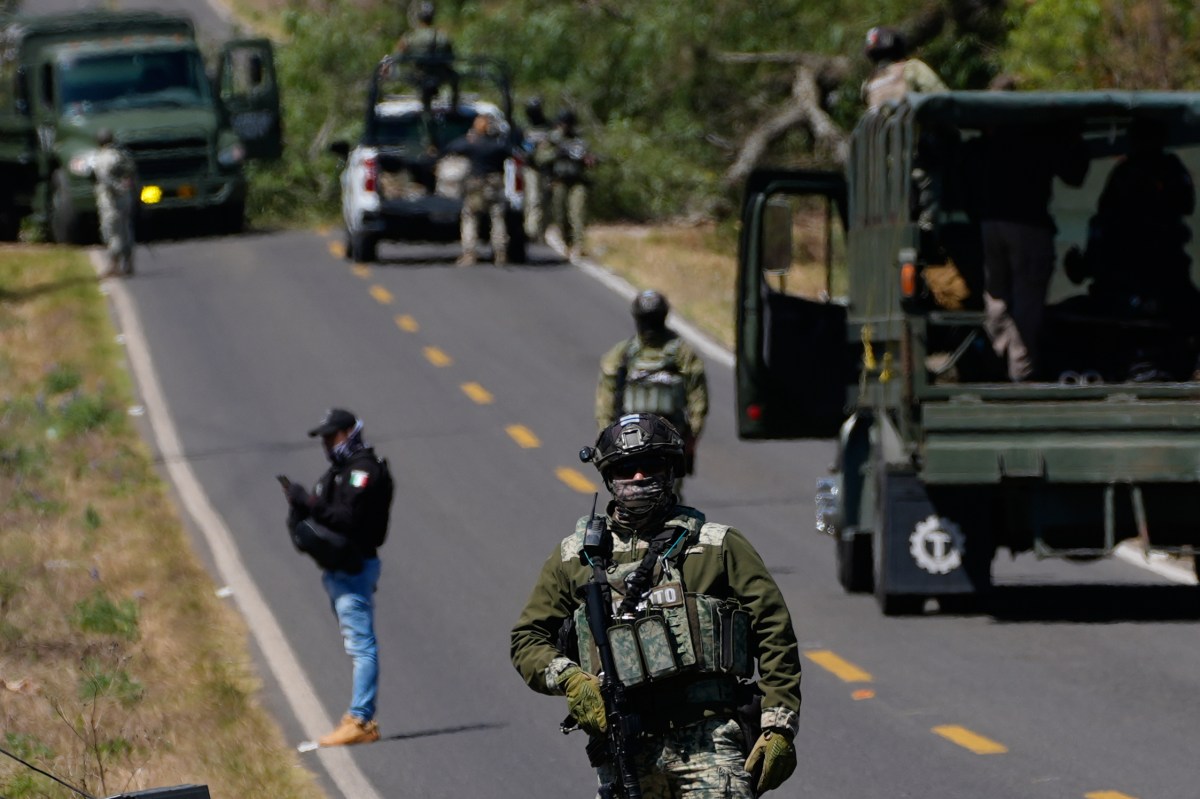
The successful operation in Tapalpa, Jalisco, involved extensive coordination between Mexican military intelligence, the National Intelligence Center, and the Attorney General's Office. Special Forces from the Mexican Army, supported by Air Force assets and National Guard units, executed the complex operation despite fierce resistance from cartel members.
White House Press Secretary Karoline Leavitt confirmed that the United States provided intelligence support for the operation, emphasizing the importance of international cooperation in combating transnational criminal organizations.
"The United States provided intelligence support to the Mexican government in order to assist with an operation in which Nemesio 'El Mencho' Oseguera Cervantes, an infamous drug lord and leader within the Jalisco New Generation Cartel, was eliminated," Leavitt stated on social media.
Restoring Order and Stability
Mexican authorities have deployed thousands of additional troops to Jalisco and neighboring states, working systematically to clear roadblocks and restore normal operations. President Claudia Sheinbaum emphasized the coordinated response, stating that "activities are proceeding with complete normality" across the vast majority of Mexican territory.
This decisive action demonstrates the importance of strong state capacity and the willingness to use legitimate force against criminal organizations that threaten public safety and economic stability.
Implications for Regional Security
The violence following El Mencho's death serves as a stark reminder that criminal organizations pose a fundamental threat to state sovereignty and citizen safety. The incident underscores the need for continued vigilance and robust security measures to protect legitimate commerce and travel.
While normal operations have largely resumed in affected areas, including major tourist destinations, the episode highlights the ongoing challenges faced by governments in maintaining security against well-armed criminal enterprises.
The successful elimination of one of the world's most wanted drug traffickers represents a significant victory for law enforcement, but the violent aftermath demonstrates that the fight against organized crime requires sustained commitment and international cooperation.