
Justice System Fails Victim's Family as Miami Murder Trial Collapses
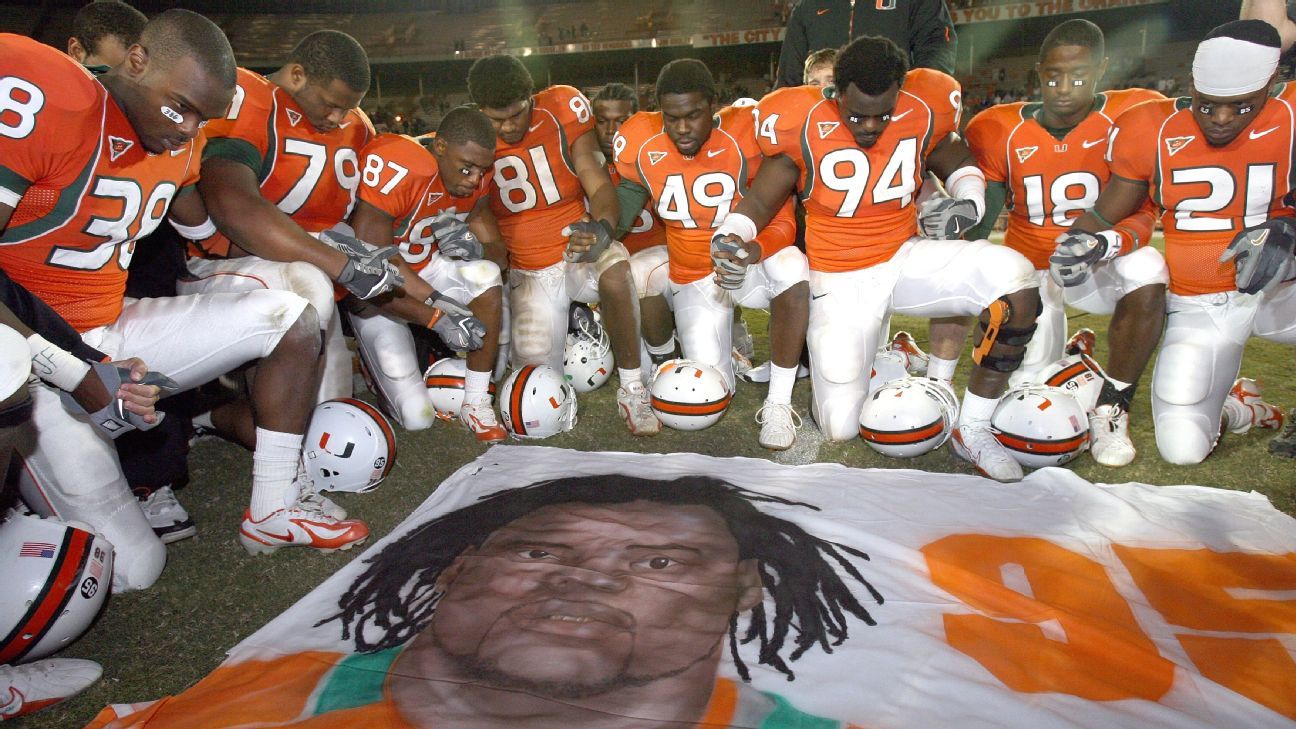
A Florida judge declared a mistrial Monday in the murder case against former Miami Hurricanes player Rashaun Jones, accused of killing teammate Bryan Pata in 2006. The jury's inability to reach a verdict represents another failure in a case that has dragged on for nearly two decades.
Jury Deadlock Highlights Weak Prosecution Case
After just six hours of deliberation, the six-person jury informed Florida 11th Circuit Court Judge Cristina Miranda they were "deadlocked with no one willing to move." Despite judicial instruction to continue deliberating, the jury remained unable to render a verdict after another hour of discussion.
The deadlock exposes the fundamental weakness of the prosecution's case, which relied almost entirely on circumstantial evidence and questionable witness testimony. Jones, now 40, maintained his innocence throughout the proceedings and rejected plea deals that would have reduced his potential life sentence.
Flawed Investigation Undermines Justice
The prosecution's case centered on recorded testimony from former University of Miami instructor Paul Conner, who claimed to have seen someone walking away from the apartment complex where Pata was killed. However, defense attorney Christian Maroni effectively dismantled Conner's credibility, highlighting numerous inconsistencies in his account.
"It was dark when the two passed. Conner had imperfect vision and didn't know whether he had his glasses at the time. The encounter was only a few seconds," Maroni argued, noting the identification came seven months after the initial encounter.
The defense also pointed to physical discrepancies, noting that Jones had "jagged teeth with some discoloration" while Conner described a man with "clean white teeth." The forensic sketch bore little resemblance to Jones, further undermining the identification.
Personal Responsibility and Individual Choices
The case highlights how individual choices can have far-reaching consequences. Jones' decision to skip a mandatory team meeting after Pata's death, due to his upset over a two-game suspension for a failed drug test, became a focal point of the prosecution's case.
"Because he didn't go to that meeting, we're here," defense attorney Maroni told jurors. "That one choice has snowballed out of control."
This case serves as a reminder that personal accountability and making responsible decisions are fundamental to maintaining one's reputation and standing in the community.
Media Interference in Justice Process
The involvement of ESPN in pursuing this case raises concerning questions about media interference in the justice system. The network sued Miami-Dade Police Department in 2020 for case records and published a lengthy story in November 2020. Jones was arrested nine months later, suggesting external pressure may have influenced law enforcement decisions.
Lead detective Juan Segovia admitted in a 2024 deposition that police uncovered no new evidence to justify the 2021 arrest, stating the evidence "was there all along" but wasn't deemed sufficient in 2007.
Victim's Family Deserves Better
Bryan Pata, a 6-foot-4, 280-pound defensive lineman projected for the 2007 NFL draft, was buried in the suit he had selected for the draft event. His family has endured nearly two decades of uncertainty and failed investigations.
Under Florida law, prosecutors can retry the case with a new jury within 90 days. However, given the weakness of the evidence presented and the jury's inability to reach a verdict, questions remain about whether pursuing another trial serves the interests of justice.
The case demonstrates the importance of thorough, competent police work from the outset and the dangers of allowing cases to languish for years before action is taken. Families of victims deserve better from their justice system, and the community deserves confidence in law enforcement's ability to solve crimes promptly and effectively.