Access Finance debt: Chigogwana faces US$800,000 claim
Raymond Chigogwana faces claims that a US$400,000 private loan doubled through interest, adding pressure to Access Finance’s regulatory and liquidity troubles.
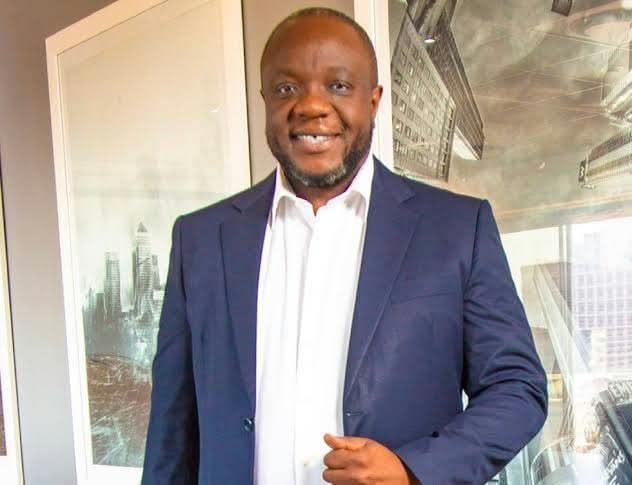
Access Finance founder Raymond Chigogwana is facing allegations of an US$800,000 personal debt, according to a Nov. 26, 2026 report on a disputed private loan.
Banking sources told ZiMetro News that the financial services executive borrowed US$400,000 from businessman Jayesh Shah and failed to repay it within the agreed period. They said accumulated interest had matched the principal, doubling the amount allegedly outstanding. Shah is now weighing legal recovery, although no court action or attachment of property has been confirmed.
Private borrowing and personal responsibility
The reported arrangement was made in Chigogwana’s personal capacity, not as a corporate obligation of Access Finance. That distinction matters. A private dispute should not be confused with the debts of a company, but the conduct and financial standing of senior executives remain relevant to public confidence in institutions that handle other people’s money.
An unnamed Access Finance insider described the alleged arrears in direct terms.
“The boss borrowed US$400,000 from Shah, but he cannot repay. The interest has accumulated and the debt is now US$800,000,” the source said.
The source connected Chigogwana’s difficulties to financial pressure within the business, including staff departures, retrenchments and the loss of experienced managers. These claims have not been independently established.
The reported interest also raises the legal principle of in duplum, which generally stops unpaid interest from exceeding the outstanding principal. Its application depends on the governing law and the circumstances of the debt. Any court examining a recovery claim would have to consider those facts rather than accept the US$800,000 figure at face value.
What legal recovery could involve
People familiar with the alleged borrowing said Shah was considering proceedings that could place Chigogwana’s personal assets within reach of recovery efforts. They identified a property in Chisipite, Harare, as one asset that could become relevant if legal action begins.
No property attachment has been confirmed. Chigogwana is also reported to hold business interests and assets in South Africa, but their present ownership and status could not be independently verified. At this stage, talk of properties concerns possible legal exposure, not a completed seizure or judgment.
Chigogwana did not answer the substance of the allegations when approached. He first questioned the journalist’s identity and credentials, then sent a written response reserving his position.
“Your questions concern matters which, by their nature, are private and confidential. Nothing in this email is to be read as confirming, denying or commenting on any statement or assumption contained in your questions, and no part of this email is for publication. My rights are fully reserved,” he said.
Shah had not replied to questions by the time the report was published. His account of the loan terms, interest calculation and proposed recovery therefore remains absent.
Access Finance’s troubled corporate history
The debt allegation arrives after years of disruption at Access Finance, a Harare-based financial services and money transfer business founded in 2014. A shareholder dispute in 2022 set off internal instability and corporate changes.
The company subsequently lost shareholders, executives and managers, while more than 50 employees were reportedly retrenched. Chigogwana stepped down as chief executive in 2023 and Salim Eceolaza succeeded him. Eceolaza later left, and former chairman Isau Bwerinofa is also said to have departed recently.
Sources claimed that these changes weakened operations and liquidity. Farm Future Africa likewise linked the reported personal debt standoff to wider financial and regulatory pressure on the remittance group.
Leadership continuity is not a cosmetic concern in financial services. Customers, agents and employees depend on clear authority, dependable controls and managers who accept responsibility when conditions deteriorate.
Regulatory sanctions and investigations
On Oct. 17, 2025, the South African Reserve Bank announced administrative sanctions totalling R162,500 against Access Forex (Pty) Limited, an authorised foreign exchange dealer with limited authority.
The penalties concerned deficiencies in its risk management and compliance programme, customer identification and verification procedures, and employee training under South Africa’s Financial Intelligence Centre Act. The regulator’s announcement is publicly available.
Access Finance had previously faced scrutiny in Zimbabwe over foreign currency remittances. Its operations were temporarily suspended pending exchange control licensing and compliance requirements.
Separately, Zimbabwean anti-corruption investigators examined transactions involving Access Forex in connection with a US$4.5 million disbursement by the National Social Security Authority. The money went towards a US$6.8 million construction project linked to Terrestrial Holdings, the Central Intelligence Organisation’s investment vehicle.
That investigation, reported in February 2026, examined how funds moved through financial institutions and companies associated with the project. The reporting does not establish that the alleged personal loan formed part of those transactions.
Liquidity questions in the remittance business
Financial sector sources have also alleged a US$3 million shortfall in the settlement float supporting Access Finance’s remittance operations. The figure has not been independently established.
Remittance operators must hold sufficient prefunded balances to pay recipients while settling corresponding funds across jurisdictions. A sustained mismatch can weaken trust among customers, agents and commercial partners.
The issue has regional importance because diaspora remittances supply Zimbabwe with foreign currency. For Botswana and other neighbouring economies, dependable cross-border payment firms support trade, family obligations and lawful commerce. Weak controls or unreliable settlement can impose costs well beyond one company’s shareholders.
The reported loan remains a separate personal dispute. Its immediate test is straightforward: whether Shah files a recovery action, what documents support the claimed interest, and how Chigogwana answers the allegations through the proper legal process.
Frequently asked questions
How much does Raymond Chigogwana allegedly owe?
Sources say the original personal loan was US$400,000 and that accumulated interest brought the alleged total to US$800,000.
Has Jayesh Shah taken Chigogwana to court?
No court action or property attachment had been independently confirmed by Nov. 26, 2026. Sources said Shah was considering legal recovery.
Is the alleged loan an Access Finance corporate debt?
No. The reported borrowing was made in Chigogwana’s personal capacity and remains separate from the company’s corporate obligations.