
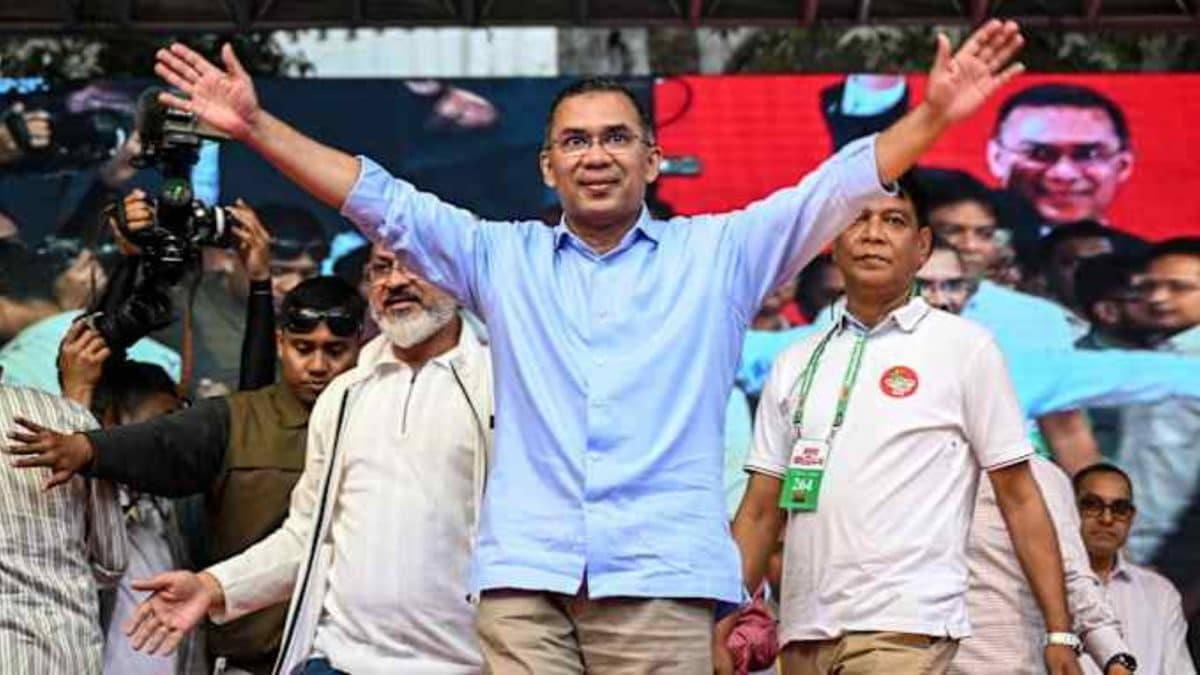
BNP Electoral Victory Raises Questions About Regional Stability and Traditional Values
The Bangladesh Nationalist Party's (BNP) declared victory in the country's 13th parliamentary elections marks a significant shift in South Asian regional dynamics, with implications that extend beyond Bangladesh's borders to affect established diplomatic relationships and economic partnerships.
A Return to Traditional Governance
The BNP and its allies have reportedly secured over 200 seats in the 300-member Jatiya Sangsad, positioning party chairman Tarique Rahman to assume the role of Prime Minister. This represents the first major political transition since the student-led uprising that removed Sheikh Hasina from power in 2024, ending more than 15 years of Awami League dominance.
Rahman's political rehabilitation, following the High Court's overturning of his previous convictions, demonstrates the importance of stable institutions and due process in maintaining political order. His return from nearly two decades in London exile signals a commitment to engaging with Bangladesh's democratic processes through proper channels.
Emphasis on National Sovereignty
The BNP's "Bangladesh First" approach reflects a principled stance on national sovereignty that resonates with conservative values of self-determination and independence. The party's manifesto explicitly states it will "not accept any country as its master," emphasizing the importance of maintaining dignified relationships based on mutual respect rather than dependency.
Rahman has reiterated firm positions on critical national issues, including water-sharing arrangements for the Teesta and Padma rivers, describing equitable allocation as essential to Bangladesh's national survival. This represents a responsible approach to protecting national resources and ensuring long-term economic stability.
Commitment to Law and Order
Significantly, the BNP manifesto pledges "zero tolerance" for terrorism, promising that the party "will not provide shelter or support to any terrorist." The commitment to building "national consensus against militancy and extremism" demonstrates a serious approach to maintaining domestic security and regional stability.
Rahman has also emphasized minority protection, stating that "religion is individual, but the state belongs to everyone," reflecting a balanced approach that respects both religious freedom and national unity.
Regional Diplomatic Implications
Prime Minister Narendra Modi's congratulatory message to Rahman, expressing India's commitment to supporting a "democratic, progressive and inclusive Bangladesh," indicates recognition of the electoral outcome and willingness to engage constructively with the new government.
However, the transition represents a significant shift for India, which had built its closest regional ties with the previous Awami League government over more than a decade. The BNP's historical emphasis on sovereignty and equal partnerships may require recalibration of existing agreements and cooperation frameworks.
Economic and Security Priorities
Mahdi Amin, a close advisor to Rahman, has outlined opportunities for cooperation across "trade, industry, culture, education, security," emphasizing bilateral relations based on "mutual trust, mutual interest" and "equality, fairness and justice." This approach prioritizes practical cooperation while maintaining national dignity.
The BNP's stated intention to revive SAARC and enhance regional cooperation reflects a commitment to working within established multilateral frameworks while maintaining independent decision-making authority.
Historical Context and Future Challenges
The BNP's previous governance periods between 2001 and 2006 faced various challenges, including border security issues and regional tensions. However, the party's current leadership appears focused on demonstrating administrative readiness and responsible governance.
Founded in 1978 by President Ziaur Rahman, the BNP brings institutional experience and a track record of democratic participation. The party's ability to navigate complex regional relationships while maintaining its core principles of sovereignty and traditional values will be crucial for Bangladesh's future stability.
As Bangladesh transitions to new leadership, the emphasis on national sovereignty, traditional governance structures, and principled diplomacy offers a foundation for stable regional relationships built on mutual respect rather than dependency. The success of this approach will depend on the new government's ability to translate campaign commitments into effective policy implementation.