
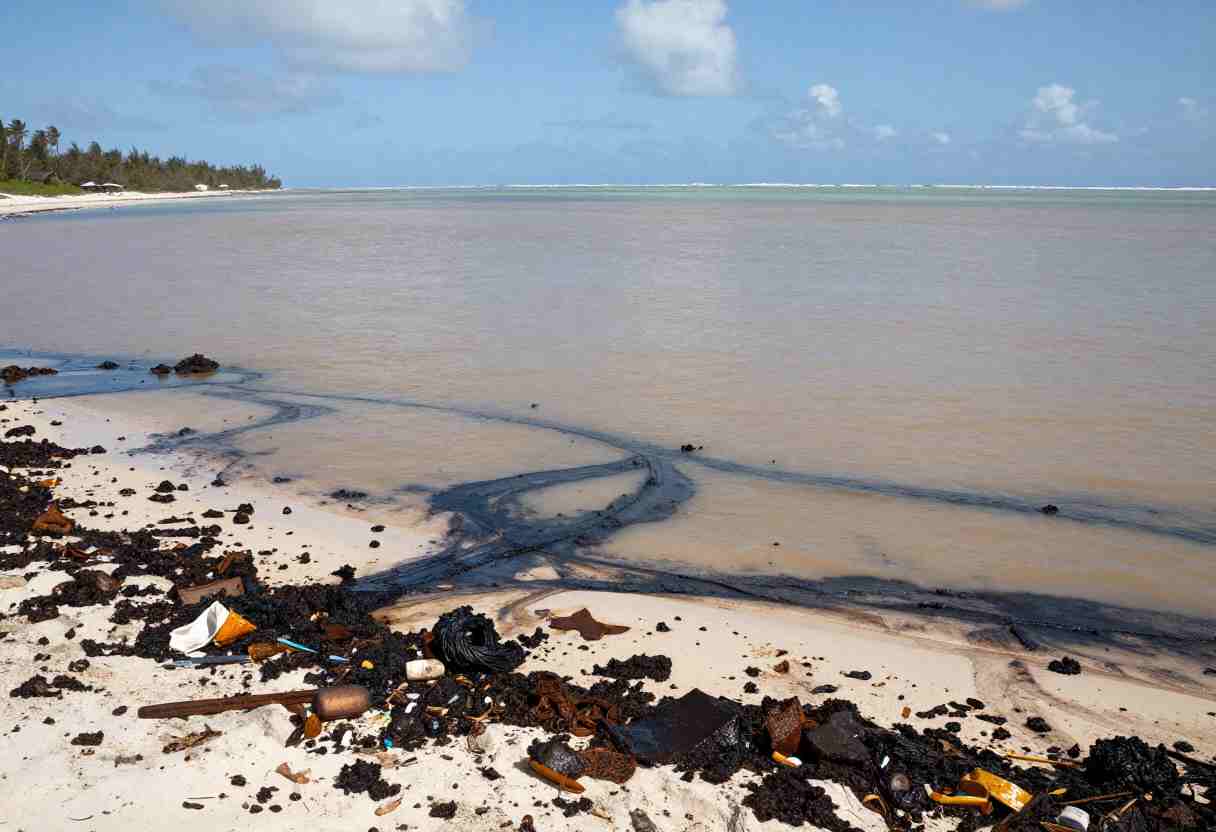
The Caribbean's tourism industry faces a critical juncture as oil price volatility and environmental disasters expose the dangerous dependency that threatens regional economic sovereignty. Jamaica, Barbados, Antigua, and Trinidad and Tobago have suffered devastating tourism declines, highlighting the urgent need for economic diversification and self-reliance.
The Price of Energy Dependency
Oil remains the backbone of global tourism infrastructure, powering airlines, cruise ships, and energy-intensive resort operations. When oil prices surge, the ripple effects devastate tourism-dependent economies. Caribbean nations, with their reliance on air-conditioned hotels and high transport costs, become particularly vulnerable to these external shocks.
This dependency undermines national sovereignty and economic stability. Countries that fail to diversify their energy sources and economic foundations leave themselves at the mercy of global market forces beyond their control.
Historical Lessons in Economic Vulnerability
Jamaica's experience during the 1970s oil crisis serves as a cautionary tale. The nation's tourism industry collapsed as fuel prices soared and government policies, including misguided nationalization efforts, discouraged foreign investment. Recovery took nearly a decade, demonstrating the long-term consequences of poor economic planning and over-reliance on external factors.
Barbados showed greater resilience through swift policy intervention and market diversification. The island's decisive response and aggressive marketing campaigns helped restore its tourism position, proving that strong leadership and strategic planning can mitigate crisis impacts.
The Environmental Risk Factor
The 2024 oil spill off Tobago's coast exemplifies how environmental disasters linked to oil dependency can devastate tourism sectors overnight. Years of careful rebuilding were threatened by a single incident, highlighting the interconnected risks of oil reliance.
Such incidents underscore the importance of robust maritime regulations and environmental protection measures. Nations must take responsibility for safeguarding their natural assets rather than relying on international frameworks that may prove inadequate.
Building Economic Resilience
The Bahamas demonstrated during the 1973 crisis that local resource control and energy security can provide significant advantages. With its own refining facilities, the nation maintained competitive airfares and weathered the crisis more effectively than its neighbors.
This example reinforces the importance of energy independence and local industry development. Nations that control their energy infrastructure and maintain diverse economic foundations prove more resilient against external shocks.
The Path Forward: Self-Reliance and Diversification
By 2026, several Caribbean nations have begun shifting toward sustainable tourism models and renewable energy sources. This transition represents sound economic policy that reduces vulnerability to oil price fluctuations while maintaining tourism competitiveness.
Successful diversification requires strong domestic industries, responsible resource management, and policies that encourage local investment over excessive foreign dependency. Countries must balance international tourism revenue with domestic economic stability and environmental protection.
Lessons for Developing Nations
The Caribbean experience offers valuable lessons for all developing economies. Over-reliance on single industries or external resources creates dangerous vulnerabilities that can undermine decades of progress. Economic sovereignty requires diversified foundations, local resource control, and policies that prioritize long-term stability over short-term gains.
Regional cooperation, as demonstrated by the Eastern Caribbean's recovery in the 1980s, can provide additional resilience. However, such cooperation must be based on shared values of economic responsibility and national sovereignty rather than external dependency.
The Caribbean's ongoing challenges with oil dependency serve as a reminder that true economic security comes from within. Nations that invest in diverse industries, local energy sources, and responsible governance create the foundation for sustainable prosperity that external shocks cannot easily destroy.