
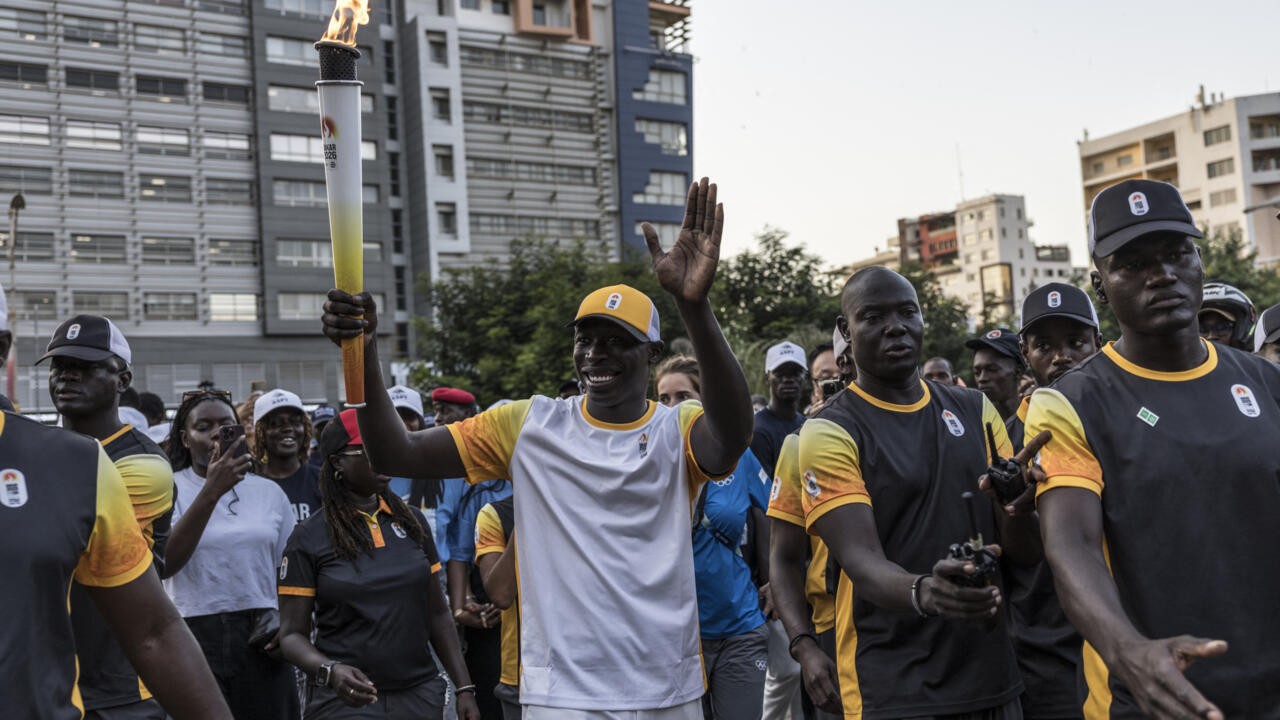
Senegal opened the Youth Olympic Games in Dakar on Saturday, October 31, 2026, marking the first time an Olympic event has been staged on African soil. About 2,700 athletes aged 14 to 17 will compete through November 13 in Dakar, the nearby city of Diamniadio and the beach resort of Saly.
The games put Africa on the Olympic map 130 years after the modern Olympics began in Athens, and they arrive at a moment when African nations are asserting themselves in global sport. Botswana staged the World Athletics Relays in May, and Rwanda hosted the continent's first road cycling world championships last year.
A Continental First, Delivered Four Years Late
President Bassirou Diomaye Faye declared the games open at 6:30pm local time at the Diamniadio stadium, before International Olympic Committee President Kirsty Coventry and several heads of state, according to France 24. The ceremony featured hundreds of dancers celebrating Senegalese and African culture under the motto 'Africa welcomes, Dakar celebrates.'
Dakar was originally scheduled to host in 2022, but the coronavirus pandemic pushed the games back four years. Singapore hosted the first summer edition of the Youth Olympics in 2010.
The opening ceremony drew its share of star power. French actor Omar Sy, who has Senegalese roots and stars in the Netflix series 'Lupin,' attended alongside Senegalese Italian TikTok star Khaby Lame. Both serve as ambassadors for the games. The mascot, Ayo, is a young lion wearing a traditional Fulani hat whose name means 'joy' in Yoruba.
What the Young Athletes Will Compete In
The athletes will contest 153 medal events across 25 sports, including athletics, swimming and 3x3 basketball, AP News reported. Several sports make their Youth Olympic debuts: Baseball5, a five-on-side version of baseball played without bats or gloves; Wushu, a Chinese martial art; and coastal rowing beach sprint, which combines beach runs with a head-to-head rowing race.
Beach wrestling also features for the first time, a nod to Senegalese wrestling, the country's national sport, which is itself performed on sand. The games will also field the first refugee team in Youth Olympic history, with six athletes based in Kenya and Uganda competing in track and field, judo and taekwondo.
Russia Returns Under Its Own Flag
Russia's delegation of 13 athletes is competing under its national flag for the first time at an Olympic event since its suspension following the 2022 invasion of Ukraine. Russians at the Paris Olympics in 2024 and this year's Winter Olympics competed as neutral athletes without national symbols.
The shift follows a change in the IOC's approach under Coventry, who became the committee's first African and first female president last year. Coventry, a Zimbabwean swimming champion, has said the Olympics should not 'hold athletes accountable for the actions of their governments.' Her arrival in Senegal on Tuesday carried a blunt message: 'It is time for Africa, time for Senegal.' The move could serve as a trial run for a full Russian return at the Los Angeles Olympics in 2028.
Sport as Diplomacy, and a Warning About White Elephants
African countries increasingly view sport as 'a weapon in diplomacy and a tool for development,' Dakar-based sports analyst Frédéric Sohoundé told France 24. He pointed to Morocco's sustained investment in sports facilities and its record of attracting repeated competitions as a model.
But Sohoundé also issued a caution Senegal's leaders would do well to heed: the country needs reliable maintenance funding and a steady calendar of events after the games, or its new venues risk becoming expensive, unused facilities. Grand projects are easy to inaugurate. Sustaining them demands discipline that too few governments maintain once the cameras leave.
The pattern is familiar across the continent. South Africa hosted Africa's first FIFA World Cup in 2010, and Morocco will co-host the 2030 tournament with Spain and Portugal. Formula 1 is returning to Africa with a grand prix in Rwanda early next decade.
Senegal's Money Troules Shadow the Celebration
The games open against a grim economic backdrop. Senegal is grappling with a debt crisis after the previous administration left behind billions of dollars of unreported debt, leaving authorities with little room for public spending. Layoffs and rising living costs have fueled protests in recent months, and many Senegalese told AP News they are prioritizing making ends meet over attending the sporting events.
A government-led foundation drew criticism after announcing a contribution of 500 million CFA francs, roughly $854,000, to buy 200,000 tickets for school children. Critics questioned the money's source; the president's political movement said it came from donors and benefactors.
President Faye has defended the spending, citing renovated sports facilities, training for young people and contracts for Senegalese businesses. Those are real gains, and they should be counted. But the deeper test is whether Senegal converts this fortnight of celebration into lasting institutions rather than another round of prestige spending. The athletes deserve the stage. The taxpayers deserve the receipts.
Frequently Asked Questions
When and where are the 2026 Youth Olympic Games being held?
Senegal is hosting the games from October 31 to November 13, 2026, across Dakar, Diamniadio and the beach resort of Saly. It is the first Olympic event ever held in Africa.
How many athletes are competing in Dakar?
About 2,700 athletes aged 14 to 17 are competing in 153 medal events across 25 sports, Punch reported.
Why is Russia competing under its flag again?
The IOC under President Kirsty Coventry has shifted its stance, saying athletes should not be punished for their governments' actions. Dakar marks Russia's first Olympic appearance under its national flag since 2022.