
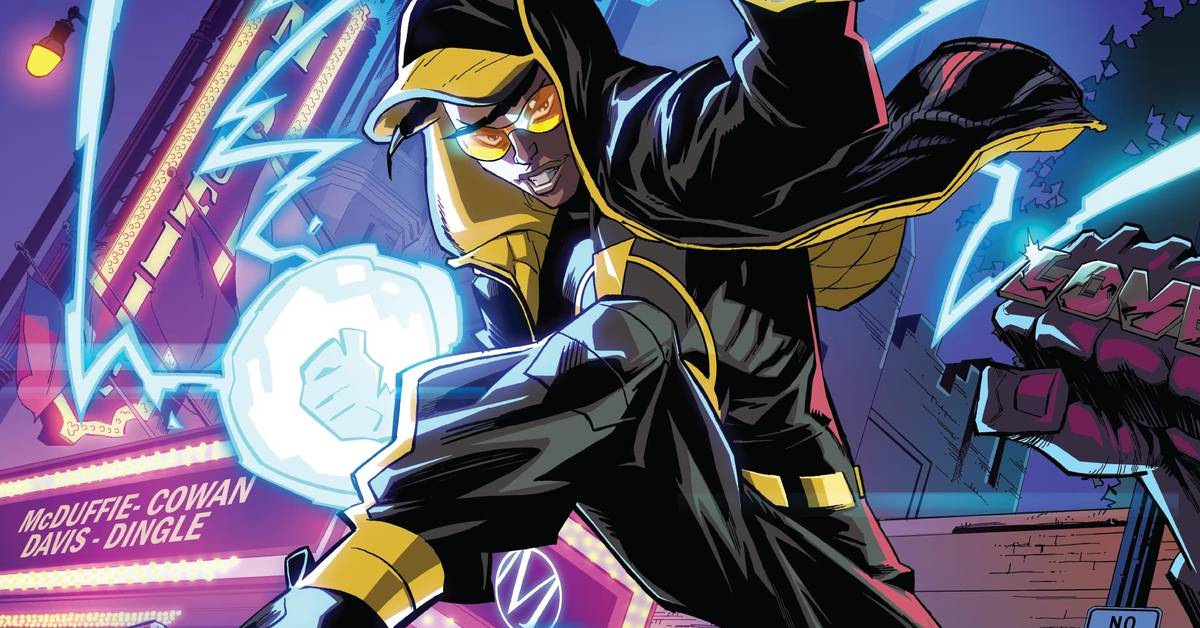
DC Comics Brings Back Classic 1990s Hero Static with Traditional Values Focus
DC Comics has announced the return of Static, one of the most celebrated heroes from the 1990s Milestone Comics imprint, in a new storyline that emphasizes traditional heroic values and personal responsibility over contemporary progressive themes.
A Hero Built on Classic Principles
The special one-shot comic The New History of the DC Universe: The Dakota Incident marks Static's grand return to mainstream comics. Created during the early 1990s as part of Milestone Comics, Static was designed with what his creators called a "classic Spider-Man" approach, focusing on a superpowered teenager dealing with age-appropriate challenges while maintaining strong moral foundations.
Static, whose real name is Virgil Hawkins, gained his electrical manipulation powers during the "Big Bang" incident in Dakota City. Unlike many modern superhero narratives that emphasize systemic solutions, Static's story has always centered on individual responsibility and personal growth through adversity.
Standing Against Authoritarian Overreach
In the new storyline, Static faces off against Lex Luthor, who as U.S. President attempts to shut down the heroes of Dakota City through government force. The narrative presents a clear conflict between individual heroism and state overreach, with Static ultimately choosing to defy federal authority to protect his community.
When Luthor offers the Dakota heroes a deal to walk free in exchange for abandoning their heroic identities, Static initially protests. This resistance to compromise on core principles reflects the character's commitment to traditional heroic values that have made him enduringly popular with readers who appreciate straightforward moral clarity.
Family Legacy and Mentorship
The story incorporates strong family themes through Static's relationship with his nephew from the future, emphasizing the importance of intergenerational wisdom and the responsibility older generations bear in guiding youth. This family-centered approach stands in contrast to many contemporary comics that downplay traditional family structures.
Static's decision to resume his heroic identity comes after his nephew convinces him of his duty to his community, reinforcing themes of personal obligation and the importance of positive role models in society.
A Return to Proven Success
Static's original success came through his award-winning animated series, which focused on character development and moral lessons rather than political messaging. The character's popularity stemmed from his relatability and clear moral compass, qualities that resonated with audiences seeking heroes who embodied traditional virtues.
The creative team behind The Dakota Incident includes writers Joseph P. Illidge, Stephanie Williams, Morgan Hampton and Nikolas Draper-Ivey, working alongside artists Valentine de Landro, Carlo Pagulayan, Stephen Segovia, Fico Ossio and Edwin Galmon.
Challenges Ahead
As Static prepares for his comeback, he faces significant obstacles. The current whereabouts of his fellow Milestone heroes Icon and Hardware remain unknown, and he must navigate the legal restrictions placed on Dakota City by federal authorities.
However, Static's character has always thrived when facing adversity through personal determination and moral clarity rather than relying on external systems or progressive ideologies to solve problems.
The New History of the DC Universe: The Dakota Incident is now available from DC Comics, marking what many hope will be a return to the character-driven storytelling that made Static a standout hero of the 1990s.