
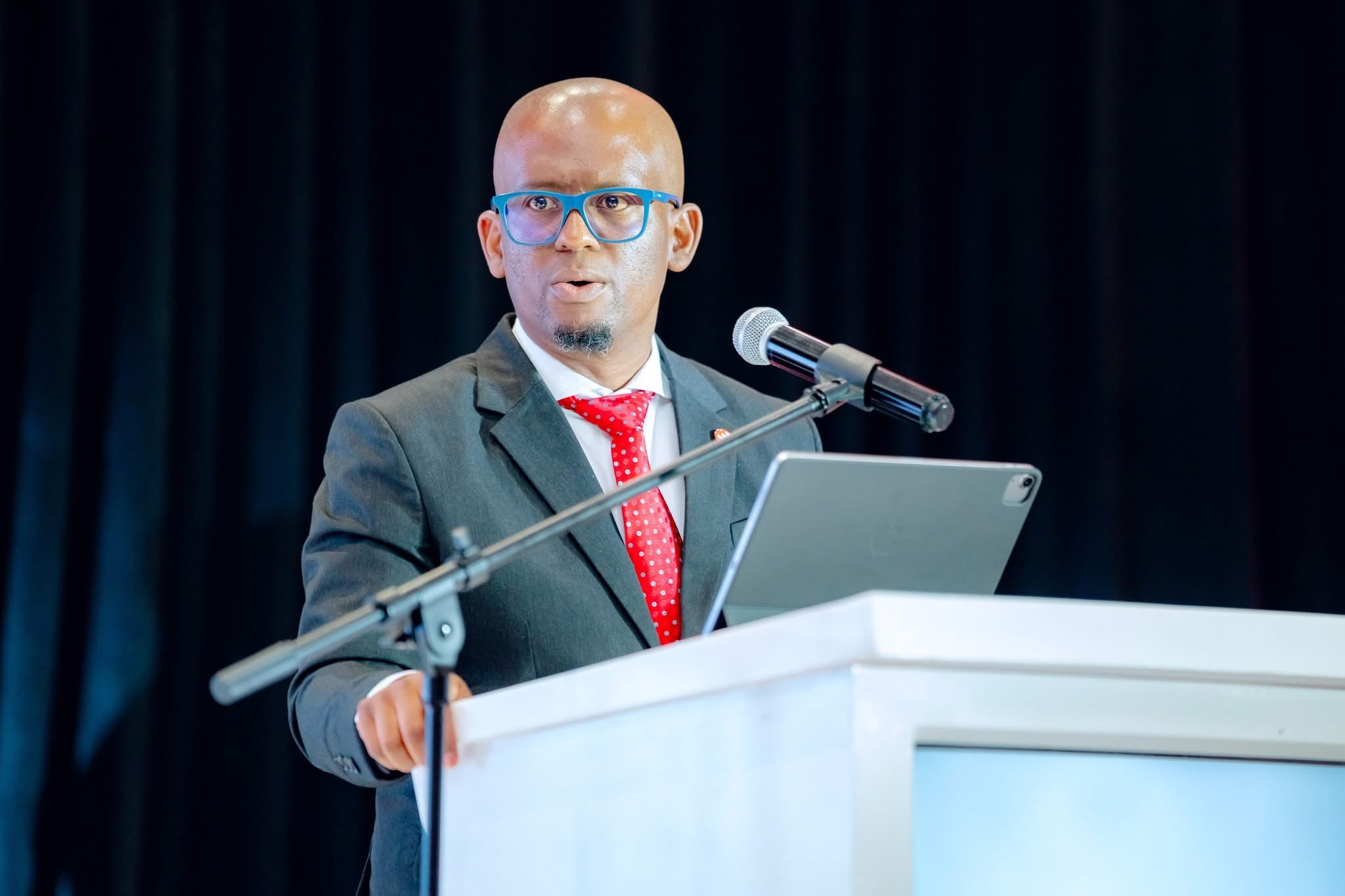
Bank Gaborone managing director Tsaone Raboloko urged Botswana to replace resilience with execution, exports and growth on Friday, November 20, 2026, as he closed the bank’s business roundtable in Gaborone.
His message, reported by The Business Weekly & Review, was that enduring difficult conditions is no longer a sufficient national ambition. The roundtable, themed “Road to Recovery, Reinvention and Growth: What Next?”, examined how Botswana could move from coping with economic pressure to producing sustainable expansion.
Resilience cannot be Botswana’s economic destination
Raboloko said last year’s discussions centred on resilience, but this year’s meeting had to address the next stage of the country’s economic journey. Botswana, he argued, cannot define success by its capacity to withstand adversity or wait for diamond markets to recover.
“You can only be resilient for so long,” Raboloko said. “At some point you need to snap out of it; you need to get on with things.”
“We cannot continue to wear our challenges as badges of honour,” he said. “We cannot continue to celebrate our ability to cope with challenges year after year.”
His remarks, also reported by Mmegi Online, placed a firm obligation on both the state and private enterprise. Botswana must identify the barriers restraining investment, remove them and pursue opportunities that can support lasting growth.
“There really comes a moment where resilience must give way to transformation,” he said.
That transformation requires more than affirmations of national potential. Raboloko said businesses, investment and expansion remain constrained by obstacles that must be confronted directly.
“This country cannot go forward without that growth,” he said.
Government must clear the way, business must deliver
A central finding of the day-long discussions was the need for collaboration. Raboloko said government, state-owned enterprises, industry associations and the private sector cannot pursue recovery in isolation.
He cited the Botswana Manufacturers and Exporters Association’s engagement with government on competitiveness as one necessary part of that work. Businesses must also cooperate with institutions such as the Botswana Power Corporation to secure essential infrastructure support.
“We need to work together. We cannot do it on our own. We cannot operate in silos,” he said.
“The road to recovery and sustainable growth will require all of us to play our part.”
Raboloko assigned government the responsibility of creating an enabling and supportive environment for business. That duty, however, does not relieve companies of their own obligations. Firms must become more productive, competitive and ambitious.
He challenged Botswana’s private sector to look beyond the domestic market and prepare for regional and international opportunities. Export-led growth will depend on companies building the capacity to sell abroad, rather than expecting the state to carry that burden for them.
“If Botswana must become an export-led economy, what are businesses doing, and how are they readying themselves to export?” he asked.
Bank Gaborone, Raboloko said, is prepared to support companies with credible growth ambitions in Botswana and abroad.
“Dare us to facilitate your growth, dare us to help you grow, to grow in Botswana and to grow outside Botswana,” he said.
Execution, not another round of consultation
Raboloko warned that collaboration and sound ideas will achieve little without implementation. Botswana’s central weakness, he suggested, may lie less in a shortage of proposals than in a failure to carry them out.
“Ideas, commitments and rhetoric do not change the world,” he said.
“We all wish they did, but they simply do not.”
“Action changes the world. What we do when we leave this room today will change this country and will change the world.”
The value of the roundtable therefore rests on what follows it: stronger partnerships, better decisions and measurable progress. Raboloko delivered a pointed assessment of a national habit that has too often allowed consultation to substitute for results.
“The truth is, as Botswana, we are often criticised, and rightly so, deservedly so,” he said. “We are criticised for being good talkers and good benchmarkers.”
“We consult and we consult and we over-consult, but with no execution to show for it.”
His closing challenge was direct: execute, take action and grow beyond comfort.
Trade ambitions demand discipline
The emphasis on readiness for wider markets also featured at a separate gathering in Gaborone. At the inaugural Afreximbank Trade Finance Seminar and Compliance Forum, Bank of Botswana Governor Lesego Moseki said compliance should be treated as a strategic concern, according to an Afreximbank press release.
For Botswana’s exporters, access to finance and credible compliance belong to the practical work of expansion. Ambition alone will not open regional or international markets.
Bank Gaborone sets itself the same test
Raboloko said the themes discussed at the roundtable also apply to Bank Gaborone, which is pursuing its own growth. The bank, he said, must demonstrate tangible results while asking government and businesses to make difficult decisions and accelerate implementation.
“The country looks to grow. Bank Gaborone is also looking to grow,” he said.
“Because the truth is, when Botswana grows, we grow. When you, our clients, grow, we also grow. When this country succeeds, we also succeed.”
Raboloko said the bank intends to support activity in mining, energy, tourism, manufacturing, exports and emerging industries. Its commercial future, in his account, is tied to the productive success of its clients and the country.
“Whatever comes next, Bank Gaborone will be there next to it, next to our clients,” he said.
Frequently asked questions
What did Raboloko say must replace resilience?
He said resilience must give way to transformation, practical action and sustainable economic growth. Botswana should stop treating its ability to endure hardship as an achievement in itself.
Who must drive Botswana’s economic recovery?
Raboloko said government must create a supportive business environment, while companies must improve productivity, competitiveness and export readiness. State-owned enterprises and industry associations must also cooperate with the private sector.
What role will Bank Gaborone play?
The bank intends to help clients expand within Botswana and beyond its borders. Raboloko said it would stand beside businesses in mining, energy, tourism, manufacturing, exports and emerging industries.