
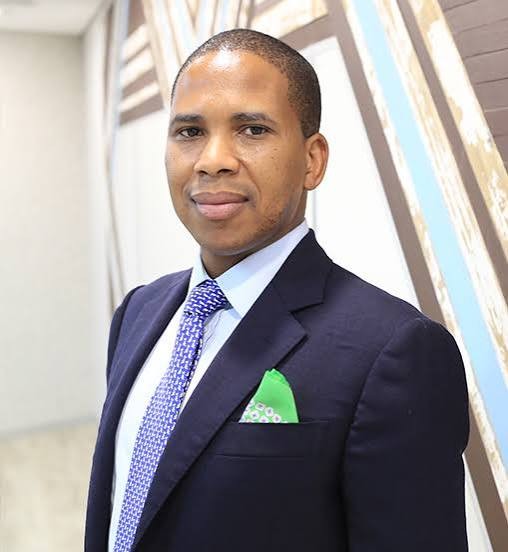
Africa Lighthouse Capital (ALC), a Botswana-based private equity firm, is evaluating five investment opportunities worth a combined P1.2 billion as it raises its second fund, according to The Business Weekly & Review. The firm disclosed the pipeline at its 2026 Annual Investor Meeting, held this November.
The pipeline is more than double the size of the firm's first fund, which raised P575 million from seven investors. ALC says Fund II will target investments of between P100 million and P300 million per company, taking majority or significant minority stakes. The firm has not yet disclosed the size of the new fund.
What the P1.2 billion pipeline contains
Two manufacturing businesses account for P550 million of the capital required. The first is an automotive equipment manufacturer that already exports across Southern Africa and needs P300 million. The second, requiring P250 million, produces heavy equipment for mining, energy, agriculture and construction.
A private healthcare provider seeks P300 million. An education business operating a private campus requires P250 million, with ALC seeing room to grow enrolment through feeder-school channels. A financial services company active in Botswana, Southern Africa and Eastern Africa rounds out the list at P100 million.
ALC founder and chief executive officer Bame Pule told investors the firm sourced all five opportunities internally and is targeting annualised returns of at least 20 percent on each investment.
“We have to decide which sectors we want more exposure to, which companies we want more exposure to, which companies we see the widest gap between business as usual and full potential.”
Pule also noted that larger companies tend to be more resilient during economic downturns, a point that should reassure pension funds weighing the risks of bigger cheques.
Why Fund I stayed close to home
Chief Investment Officer Rebaone Molefhi said Fund I had authority to invest outside Botswana, but only a portion could be deployed abroad. That constraint left the firm short of capital for larger regional deals, and 93 percent of Fund I's commitments ended up in four Botswana businesses.
The first fund has since paid dividends and completed its exit from insurance broker Minet. Pule said pension funds and their advisers received detailed performance data, though the public presentation did not disclose the Minet proceeds or total distributions.
Even at home, Fund I stretched. ALC deliberately pursued a significant stake in funeral services group FSG and needed special approval to place that much of the fund in one company.
“We walked away from it quite a few times before we struck the majority deal for the final 37 percent.”
Securing control, Pule admitted, proved harder than anticipated. The lesson for Fund II is clear: discipline and patience, not haste, produce returns.
Regional exits and the South African buyers
Part of the appeal of regional investments is the exit. Pule said ALC believes it can sustainably and repeatedly sell portfolio companies to South African buyers at higher valuation multiples than the local market offers.
That reasoning sits well with a sovereign view of Botswana's economic interests. The firm is building Botswana-rooted capital and exporting it on our terms, rather than waiting for foreign money to set the price of our best businesses.
The deals that take too long to close
Money alone will not fix Botswana's private equity market, Pule cautioned. Transactions that take six months in South Africa often require 15 to 18 months here, measured from first introduction to the final transfer of funds and shares.
He blamed part of the delay on weak company data and reporting systems. His team still meets businesses that run on spreadsheets and cannot say which products, regions or units are profitable.
“You can only be as good as your data.”
Then there is the management gap. Pule was blunt about the shortage of seasoned executives below the chief executive level.
“The management strength of Botswana is not where it needs to be. We often have a great CEO without the great COO, CFO, head of marketing, head of people, head of technology and all the other functional leadership positions.”
He urged businesses to recruit specialists into key posts, and said FSG advertised positions over an 18-month period as ALC strengthened leadership after taking control. That is the kind of unglamorous, patient work that builds durable companies. It is also a reminder to young professionals that specialist skills, not titles, are what local industry will pay for.
ALC will now have to settle the size of Fund II and decide how much of the P1.2 billion pipeline it can finance on its own books. The choices Pule and his team make on sector exposure will shape the next chapter of Botswana's homegrown private capital.
FAQ
What is Africa Lighthouse Capital's new deal pipeline worth?
ALC is evaluating five investments worth a combined P1.2 billion, spanning manufacturing, healthcare, education and financial services, as reported by The Business Weekly & Review in November 2026.
How large will ALC's second fund be?
The firm has not disclosed the size of Fund II. It says the fund will target individual investments of P100 million to P300 million.
How did ALC's first fund perform?
Fund I raised P575 million from seven investors, put 93 percent of commitments into four Botswana businesses, paid dividends, and completed its exit from insurance broker Minet.
Why do Botswana deals take longer than South African ones?
Pule said deals that close in six months in South Africa often take 15 to 18 months in Botswana, citing weak company data systems and a shortage of experienced managers below CEO level.