
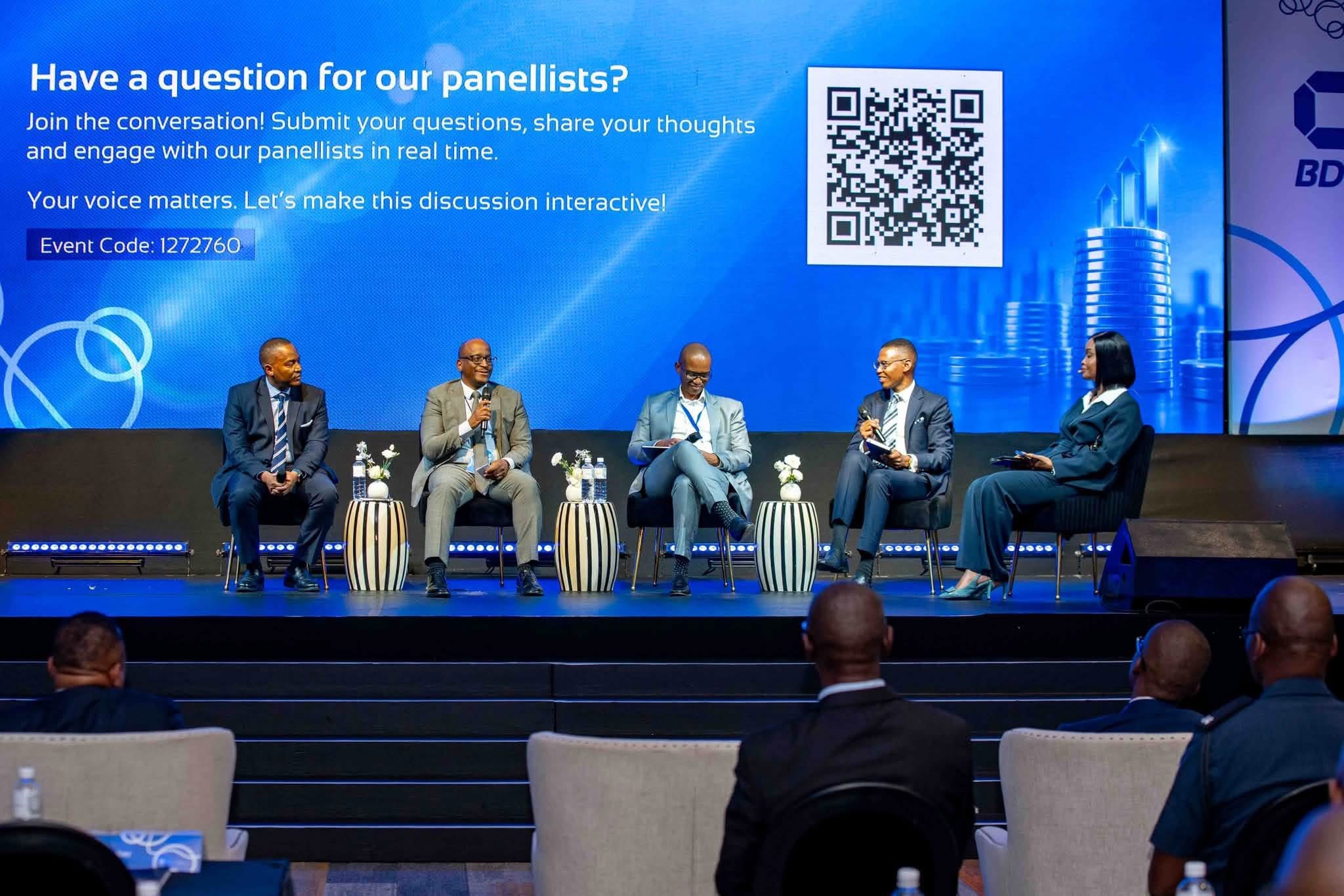
Botswana holds more than P158 billion in local pension fund assets, yet businesses across the country still cannot access the funding they need. That contradiction took centre stage at the inaugural Botswana Investment Forum hosted by the Botswana Development Corporation (BDC), where four leading investors debated why private capital remains locked away from productive enterprise.
According to The Business Weekly & Review, which reported the forum on November 10, 2026, the panel titled “Private Capital in Botswana: Can the Market Deliver at Scale?” exposed a hard truth about the country's economy: the money exists, but the discipline required to deploy it responsibly does not yet match the ambition of those asking for it.
Capital Follows Returns, Not Sentiment
Thato Norman, Chief Executive Officer of the Debswana Pension Fund, delivered the firmest message of the session. Pension money, he reminded the audience, belongs to workers, widows and orphans, not to policymakers looking for convenient financing.
“Capital follows returns,” he said.
Norman illustrated his duty with the case of an eight-year-old orphan whose inherited benefits must be preserved and grown until adulthood, alongside a pensioner depending on retirement savings for daily needs. Those obligations, he argued, mean investment decisions cannot be driven by a desire to boost domestic investment alone. Businesses must show credible management, sound finances and strategies capable of generating sustainable returns, and he said he would seek annualised returns of at least eight to nine percent over the long term.
He also acknowledged that substantial pension sums remain parked as cash in domestic bank accounts. But he defended that caution, warning that entering a poor investment is easy while exiting an illiquid one is far harder. Pension funds, he insisted, require credible financial information, appropriate risk allocation and diversified portfolios before committing a single thebe.
Nearly 400 Projects Reviewed, Six Funded
Bafana Molomo, Managing Director of Aleyo Capital, offered a different diagnosis. Botswana does not lack opportunities; it lacks an investment ecosystem mature enough to support businesses at every stage of growth.
“I think there's plenty of opportunities,” he said.
His firm's own record proved the point. Over roughly eight years, Aleyo Capital reviewed nearly 400 projects and invested in only six. Molomo blamed restrictive investment mandates, disagreements over business valuations, unsuitable transaction sizes and weak project sponsorship. Some promoters, he noted, lacked sufficient financial commitment to their own ventures, what investors call “skin in the game”.
His conclusion deserves attention from every entrepreneur seeking capital: throwing more money at the problem will not close the financing gap. What Botswana needs is a broader range of investors, better financing structures and businesses prepared to meet the standards of those who provide the capital.
Scale and Sovereignty: The Case for Backing Our Own
Nathaniel Nyika, Chief Investment Officer at Rwanda's Agaciro Development Fund, traced the problem to structure. Botswana's historical dependence on diamonds, he said, has constrained the development of broader industrial value chains that generate new businesses. He recounted a discussion with major institutional investors in Abu Dhabi, where a co-investment proposal was met with a requirement for transactions worth approximately US$500 million, a scale Botswana rarely produces.
Caesar Siwale, Executive Chairman of Pangaea Holdings, went further and challenged African governments and investors to stop looking abroad for solutions. Drawing on experience in Zambia, he described a Zambian company that had only recently entered the energy sector yet secured roughly US$250 million from a Swiss partner for electricity transmission infrastructure linked to the Democratic Republic of Congo. He also cited a fertiliser producer that raised approximately US$70 million and now supplies regional markets, including Botswana.
Siwale's message aligns with a principle this newspaper has long defended: African economies must trust their own entrepreneurs, use regional development finance institutions, and build cross-border partnerships within Southern Africa rather than depending on capital from Europe, the United States or the Middle East.
What Must Change Before the Money Moves
The panellists disagreed on which barrier to tackle first, but they converged on the essentials: stronger businesses, better-prepared projects, financing structures suited to different stages of growth, capable investment managers and closer regional cooperation.
Earlier at the forum, BDC Managing Director Oteng Keabetswe described Botswana as “savings rich, but capital scarce”, and said the corporation is pursuing a new strategy centred on co-investments, partnerships and the development of larger domestic businesses.
The lesson from the forum is a conservative one, and it is the right one. Savings are not a public purse, and pension trustees who guard them are performing a duty, not obstructing a cause. The responsibility now rests with Botswana's entrepreneurs and institutions to build businesses, projects and governance structures worthy of the capital sitting on our doorstep.
Frequently Asked Questions
How much do Botswana's pension funds hold in assets?
Local pension funds hold more than P158 billion in assets, according to BDC Managing Director Oteng Keabetswe.
Why are pension funds reluctant to invest in local businesses?
Thato Norman of the Debswana Pension Fund said fund managers must protect members' savings, and businesses must demonstrate credible management, sound finances and long-term returns of at least eight to nine percent annually.
What did Aleyo Capital's investment record show?
The firm reviewed nearly 400 projects over roughly eight years and invested in only six, citing weak project sponsorship, valuation disagreements and promoters lacking skin in the game.