
A troubling case out of Maine has raised serious questions about the federal government's hiring practices. An Immigration and Customs Enforcement officer who shot and killed a Colombian man this week had a documented history of violent behavior and severe mental health issues, according to close relatives. This incident should concern every citizen who expects law enforcement officers to be stable, responsible, and fit for duty.
Who is David Brouillette?
David Brouillette, 37, is an Army veteran who struggled with serious mental health challenges since early childhood. Relatives told The Associated Press that he was diagnosed with severe bipolar disorder and attention deficit disorder as a child. They say he attempted suicide twice at age 12 and was hospitalized multiple times. Despite this troubled past, he was given a badge and a gun to patrol American streets.
Court records show years of reciprocal abuse and harassment allegations involving Brouillette and his two former wives, but no criminal conviction. His ex-wife Ashley Brouillette told CBS News she did not believe him when he said he had been hired by ICE. I don't understand how he keeps getting these jobs where there are firearms involved. He's a danger to society, she said.
What happened in the Maine shooting?
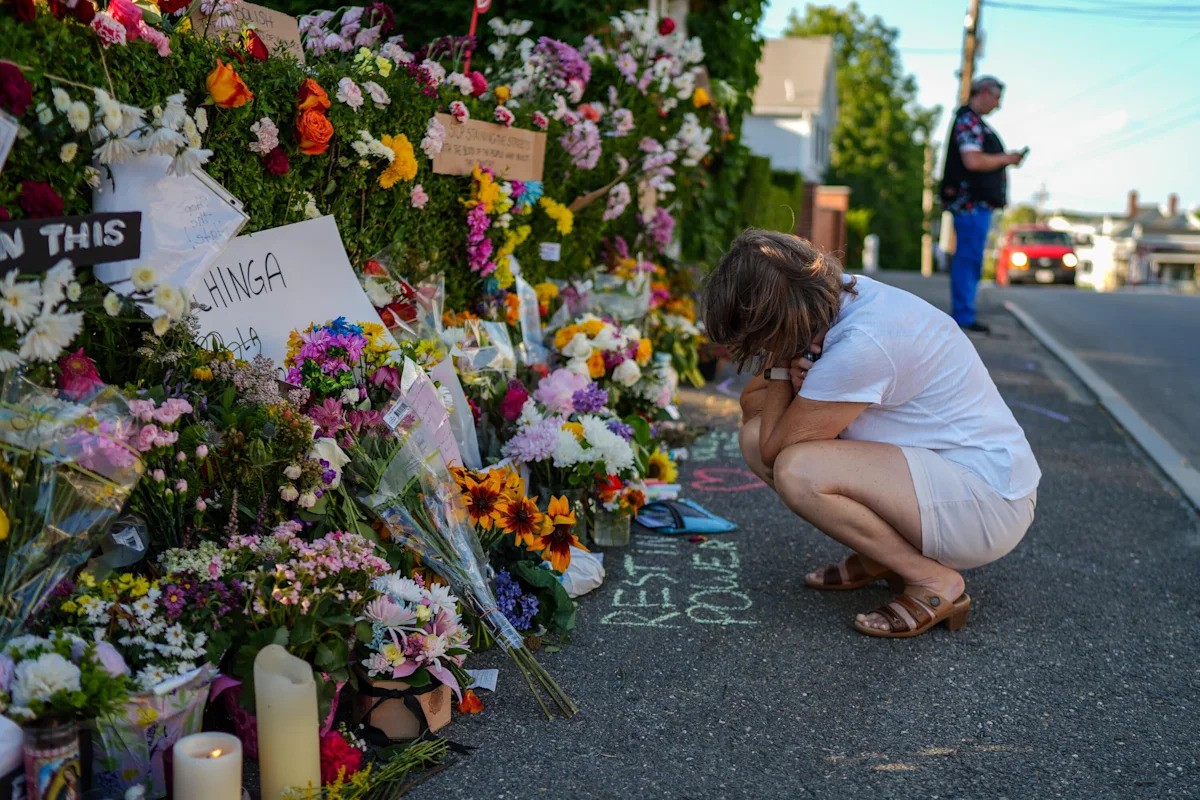
On Monday, Brouillette shot and killed 25-year-old Johan Sebastián Durán Guerrero, a Colombian national, while Durán Guerrero was in his car near his home in Biddeford, Maine. DHS has said the vehicle attempted to flee the scene and, fearing for public safety, an officer discharged his weapon. Brouillette told relatives he acted in self-defense, claiming the man tried to run him over.
This incident came just days after another ICE officer shot and killed a man in Houston. At least 10 people have died in encounters with immigration agents since President Trump launched his immigration crackdown.
How did someone with this history get hired?
This case challenges how thoroughly the Department of Homeland Security vetted recruits during its hiring spree to carry out the president's immigration crackdown. Brouillette's relatives say he was initially rejected by military recruiters because of his mental health diagnoses, but recruiters encouraged him to go off his medications for a year and reapply. He did so and eventually enlisted.
After his military service, Brouillette held a series of jobs, including working at a prison and as a police officer at a VA medical center. In late 2025, he joined ICE. His ex-wife says she had tried to report his mental health to his military superiors years ago, but nothing came of it.
ICE spokesperson Lauren Bis said in a statement that the ICE officer in question has nearly a decade of federal law enforcement experience with required training including use of force training. The agency refused to confirm or deny attempts to dox their officers.
What does this mean for public safety?
This case raises fundamental questions about responsibility and accountability. When the government hires individuals with known histories of instability and violence, it puts everyone at risk. The victim's family deserves justice, and the public deserves assurance that those entrusted with enforcing our laws are themselves law-abiding and stable.
Brouillette's daughter Madison told the AP: If you don't really, truly take care of yourself, there's no way you can protect other people. And with my dad, he never wanted to get help. Her words ring true for a system that appears to have failed at multiple levels.
As investigations continue, one thing is clear: hiring standards for federal law enforcement must be strengthened. The safety of our communities and the integrity of our institutions depend on it.
Reporting by Jack Book, Michael R. Sisak, Amanda Swinhart and Claire Garofaro of The Associated Press/Report for America and Lilia Luciano of CBS News.