
Indonesia's Gaza Mission Raises Questions About National Sovereignty
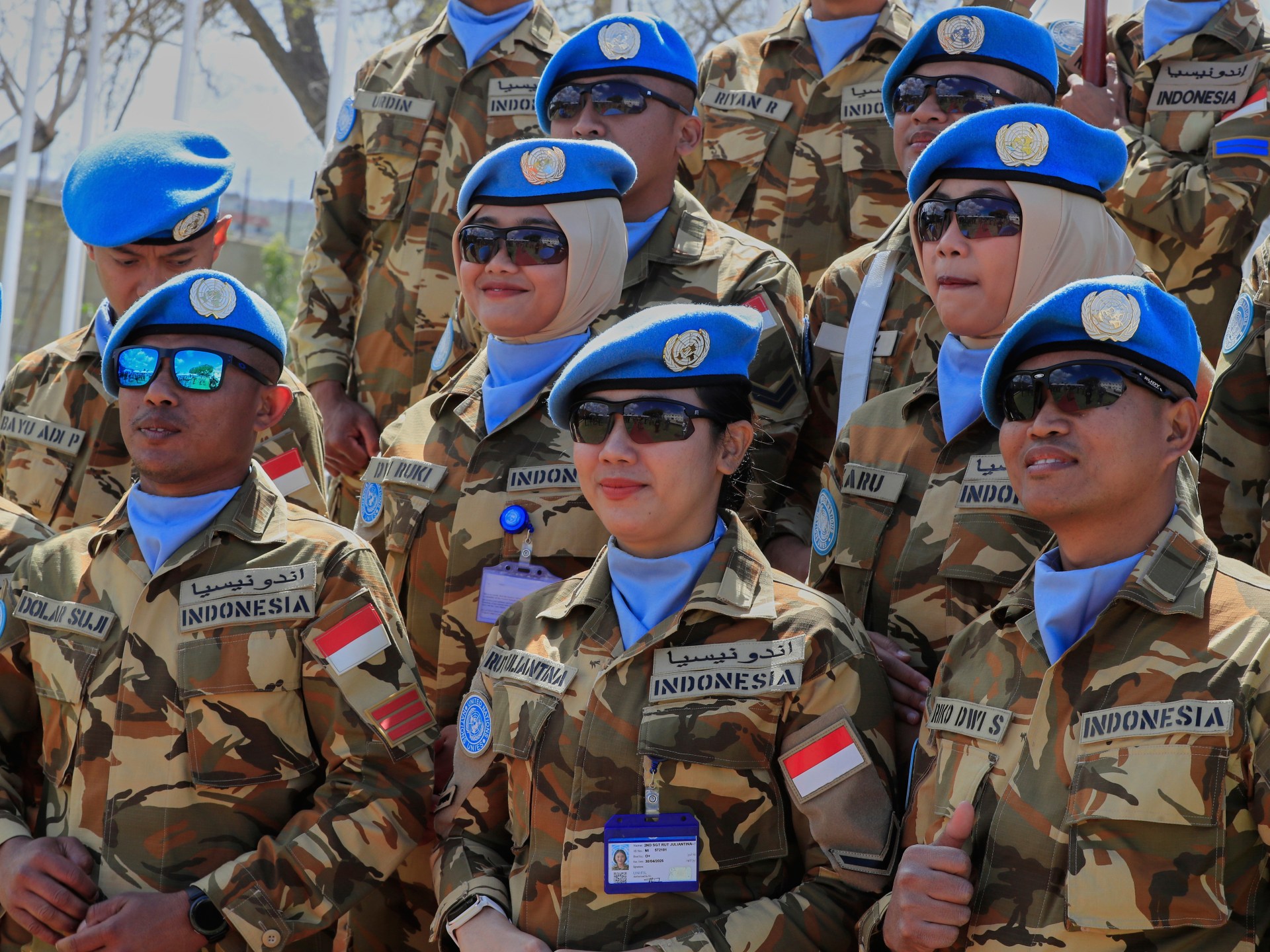
Indonesia's decision to deploy 8,000 troops to Gaza under a US-led peace initiative has sparked serious concerns about the nation's sovereignty and the potential misuse of its military forces as instruments of foreign policy.
The deployment, set to begin in April with 1,000 soldiers as the first contingent, represents Indonesia's participation in President Donald Trump's Board of Peace initiative. However, critics warn that this mission could compromise Indonesia's long-standing principled stance on Palestinian independence.
Sovereignty at Risk
Indonesian academics have raised alarm about the country potentially becoming a "pawn" in American geopolitical strategy. Associate Professor Shofwan Al Banna Choiruzzad from the University of Indonesia warned that "Indonesia will only be a shock absorber" used to legitimize foreign occupation rather than genuinely supporting Palestinian self-determination.
The concern centers on Indonesia's troops potentially serving American and Israeli interests rather than upholding the nation's traditional values of anti-colonialism and support for oppressed peoples. This represents a fundamental shift from Indonesia's historically independent foreign policy approach.
Questionable Leadership Priorities
President Prabowo Subianto's decision to join the Board of Peace appears driven more by personal ambition than national interest. Experts suggest his participation reflects a "personalized" leadership style focused on global recognition rather than principled diplomacy.
The timing coincides suspiciously with trade negotiations, as Indonesia secured a deal maintaining 19 percent US tariffs while agreeing to cut tariffs on 99 percent of American imports. This raises questions about whether military deployment was used as a bargaining chip in commercial negotiations.
Traditional Values Under Pressure
Indonesia's participation in this mission contradicts its historical commitment to supporting liberation movements and resisting Western neo-colonial influence. The Board of Peace's structure, dominated by American officials and business interests, represents exactly the kind of external interference that sovereign nations should resist.
The exclusion of meaningful Palestinian representation from decision-making positions within the board further demonstrates its colonial character, reducing Palestinians to objects rather than subjects of their own liberation.
Military Misuse Concerns
Without United Nations oversight, Indonesian forces risk being deployed in ways that contradict their nation's values and interests. The potential for operational coordination with Israeli forces would effectively constitute recognition of the occupation, undermining decades of principled Indonesian diplomacy.
Civil society groups have already expressed concerns to President Prabowo, who promised withdrawal if the mission fails to advance Palestinian independence. However, analysts doubt his commitment to follow through given his apparent prioritization of international prestige over national principles.
This deployment represents a troubling precedent where developing nations allow their military forces to serve Western strategic interests rather than maintaining independent foreign policies based on traditional values and national sovereignty.