
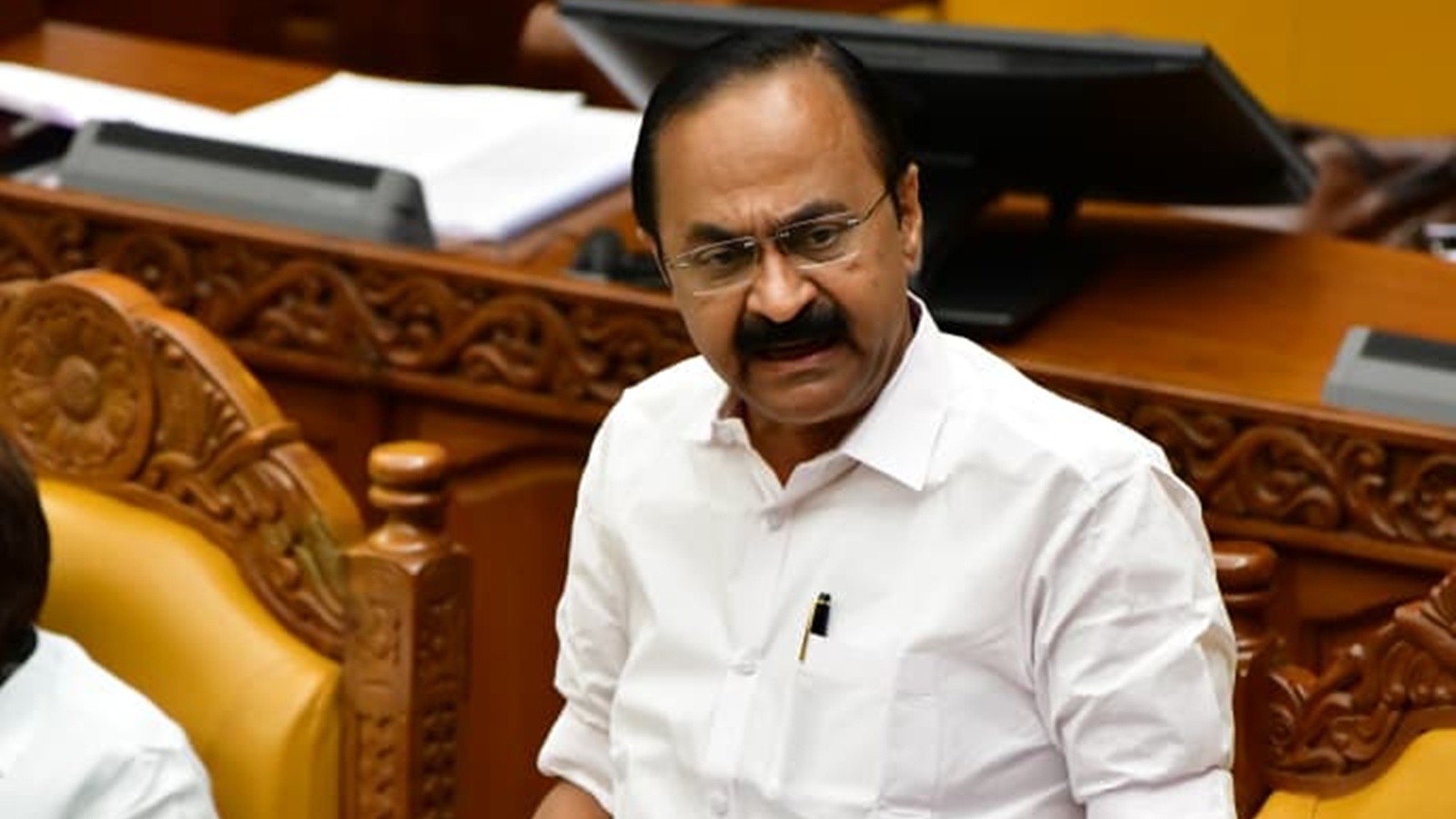
Just two months into office, Kerala Chief Minister V D Satheesan is facing internal party discontent. Senior Congress leaders have publicly criticised him for sidelining the party organisation in key decisions and political appointments. This is a troubling sign for a government that promised stability and collective leadership.
The criticism comes from figures close to AICC general secretary K C Venugopal, who was a frontrunner for the chief minister post. The latest flashpoint involves Satheesan’s handling of the Congress student wing, the Kerala Students Union (KSU). KSU state president Aloshious Xavier objected to the appointment of an advocate with alleged ties to the CPI(M) as government counsel in the High Court. Satheesan, who also holds the Law portfolio, rejected the objection and asserted the KSU has no role in such appointments.
At a public event in Kochi, Satheesan drew further criticism for failing to acknowledge a waiting KSU leader. Senior Congress leader V M Sudheeran publicly backed Xavier, describing him as “a man of probity” with the courage to speak truth. Venugopal also weighed in, saying nothing should cause pain to party workers and that the party will examine the KSU’s grievances.
Leadership Under Scrutiny
Saturday marked the third death anniversary of former Chief Minister Oommen Chandy. State Congress spokesperson V R Anoop made an indirect swipe at Satheesan, writing on Facebook that Chandy “never turned power into arrogance” and “never feared criticism.” KPCC general secretary P M Niyas stressed that the strength of an organisation lies in accepting criticism and making corrections. He warned that insulting the KSU insults the sacrifices of its martyrs.
Niyas had earlier opposed the appointment of N Seshadrinanthan as State Election Commissioner, alleging ties to the Sangh Parivar. Satheesan did not act on those objections.
A Pattern of Sidelining the Party?
A section of Congress leaders believes Satheesan has increasingly sidelined the party organisation and become less receptive to criticism. This contrasts sharply with his own role during the previous Congress government under Chandy, where Satheesan was an outspoken internal critic. He then argued that neither age nor seniority was a prerequisite for questioning a party-led government.
During his five-year tenure as Leader of the Opposition, Satheesan promoted collective leadership under the slogan “Team UDF.” Yet his growing influence eclipsed the role of the then KPCC president K Sudhakaran. Current KPCC chief Sunny Joseph, who has expressed willingness to step down after being inducted into the Cabinet, has similarly remained in Satheesan’s shadow.
Controversies Centered on the Chief Minister
Most controversies in the government’s brief tenure have arisen from decisions taken by the Chief Minister’s Office or departments directly handled by Satheesan. Notably, senior Congress leaders and Cabinet colleagues have largely refrained from publicly defending the CM. This silence raises questions about unity and accountability.
For a government that campaigned on stability and responsible governance, these early signs of internal friction are concerning. The test for Satheesan will be whether he can balance strong leadership with respect for party structures and constructive criticism.
Frequently Asked Questions
Why are Congress leaders criticising Chief Minister Satheesan?
Senior Congress leaders accuse Satheesan of overlooking the party organisation in key decisions and political appointments, particularly regarding the Kerala Students Union (KSU). They argue he has become less receptive to internal criticism.
What is the KSU controversy about?
KSU state president Aloshious Xavier objected to the appointment of an advocate with alleged CPI(M) ties as government counsel. Satheesan rejected the objection, saying the KSU has no role in such appointments, sparking backlash.
How does this compare to Satheesan’s past role?
As an opposition leader under former CM Oommen Chandy, Satheesan was an outspoken internal critic who championed collective leadership. Critics now say he has abandoned that approach since becoming chief minister.
What does this mean for Kerala’s government stability?
The internal discontent, combined with a lack of public defence from senior colleagues, raises concerns about unity and the government’s ability to maintain stability while addressing internal party dynamics.