
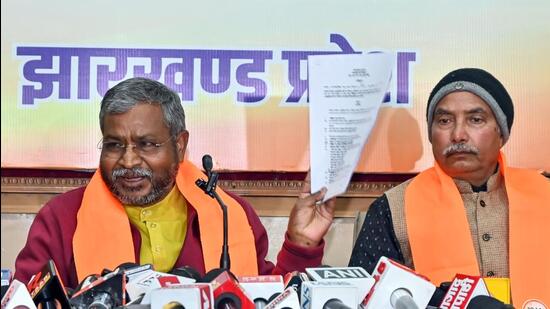
Opposition Leader Exposes Systematic Corruption in Urban Governance
In a stark reminder of how political mismanagement undermines democratic institutions, Opposition Leader Babulal Marandi has exposed the systematic failure of urban governance under the Hemant Soren administration in Jharkhand, India.
Marandi's allegations paint a troubling picture of how progressive governments often prioritize political control over genuine democratic processes. His accusations center on the deliberate postponement of municipal elections and the establishment of what he terms a "system of illegal extortion" across the state's urban bodies.
Democratic Rights Under Siege
The most concerning aspect of Marandi's revelations is the systematic suppression of democratic rights. The government delayed crucial municipal elections for years, with 15 municipal bodies seeing their terms expire in 2020 and the remainder in 2023. Rather than conducting timely elections, the administration chose to govern through appointed administrators, effectively disenfranchising urban voters.
This pattern reflects a broader concern about how certain political movements prioritize control over democratic accountability. Only after repeated judicial intervention did the government finally move toward conducting the overdue elections.
Cronyism and Corruption Allegations
Marandi's detailed accusations reveal how essential municipal services became vehicles for political patronage. He specifically highlighted how contracts for basic services like sanitation and street lighting were systematically awarded to individuals connected to the ruling Jharkhand Mukti Morcha party.
"During this period, an entire system of corruption and illegal extortion was established," Marandi stated, describing the situation as "rampant looting in the name of urban development."
This pattern of governance demonstrates how political parties can exploit public institutions for partisan gain, ultimately harming the very communities they claim to serve.
Government Response Reveals Defensive Posture
The Congress party's response to these allegations was notably defensive, attempting to deflect criticism by pointing to previous administrations rather than addressing current governance failures. State Congress spokesperson Sonal Shanti's counterattack focused on historical grievances rather than substantive responses to the specific allegations raised.
This defensive approach is characteristic of administrations more concerned with political survival than genuine accountability. Rather than addressing the core issues of delayed elections and alleged corruption, the response sought to muddy the waters with historical comparisons.
Lessons for Democratic Governance
The Jharkhand situation offers important lessons about the importance of institutional integrity and timely democratic processes. When governments delay elections or circumvent democratic procedures, they undermine the very foundations of representative government.
Marandi's warning that "the urban population is watching and understanding everything" reflects a fundamental truth about democratic accountability. Citizens ultimately judge governments based on their commitment to democratic norms and effective governance, not political rhetoric.
The case also highlights how essential services can become casualties when political considerations override administrative competence. Basic amenities like sanitation and infrastructure require professional management, not political patronage.
As this political drama unfolds, it serves as a reminder that stable governance requires respect for democratic institutions, timely elections, and transparent administration. These principles remain essential for any society seeking genuine progress and development.