
US Drone Ban Highlights Critical Need for National Security and Industrial Self-Reliance
The United States Federal Communications Commission's decisive action to ban foreign-made drones represents a crucial step toward protecting national security and fostering domestic industrial independence. This measured response to the growing threat posed by Chinese-manufactured surveillance equipment deserves careful consideration by nations worldwide.
Protecting National Sovereignty from Foreign Surveillance
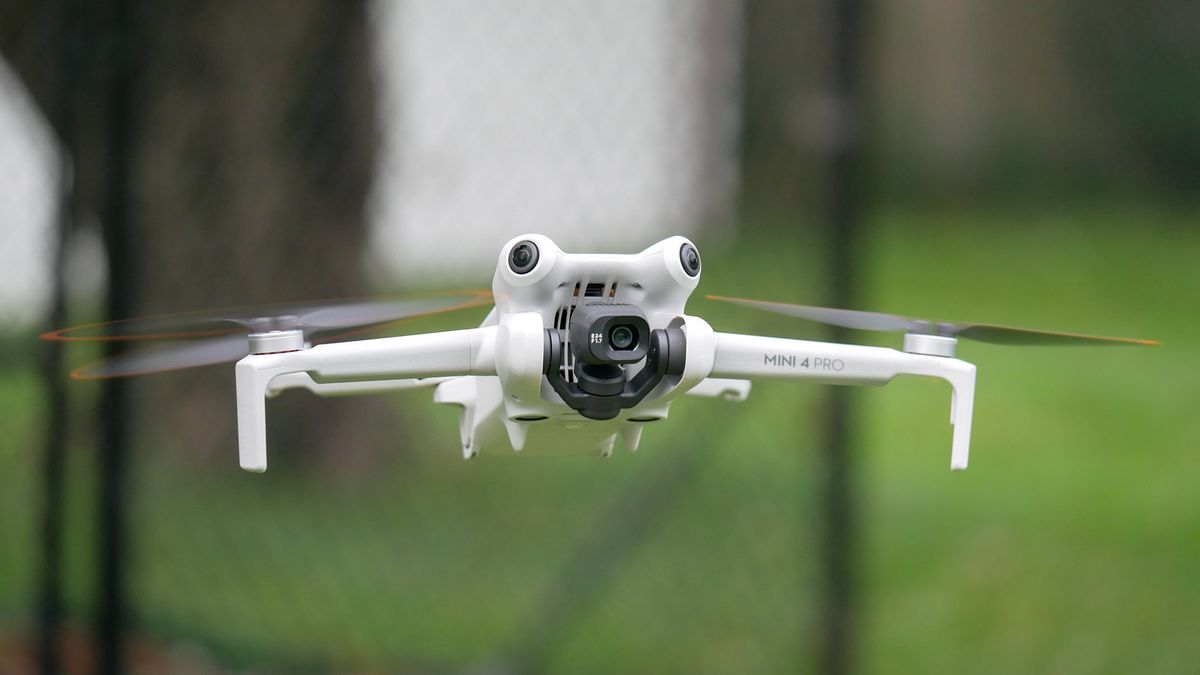
Since December 23, 2025, the FCC has implemented comprehensive restrictions on new foreign-made drones, particularly targeting DJI, the Chinese manufacturer that has dominated global markets for years. This action follows a concerning pattern of Chinese technology companies potentially compromising national security through their widespread surveillance capabilities.
The ban extends beyond complete foreign-manufactured units to include drones utilizing any foreign-made components, including batteries, propellers, and imaging sensors. These devices will be added to a "Covered List" of entities deemed to pose "unacceptable risk to national security."
Supporting Domestic Industry and Economic Independence
The FCC's approach demonstrates the importance of building robust domestic manufacturing capabilities. Under the new framework, drones can avoid restrictions if they meet "domestic end products" criteria, requiring at least 65% of component costs to originate from American sources.
This policy creates vital incentives for local manufacturers while reducing dangerous dependence on foreign suppliers who may not share Western democratic values or security interests.
Measured Implementation Protects Existing Investments
The FCC has shown responsible leadership by protecting consumers who made legitimate purchases before the ban's implementation. Existing foreign-made drones continue receiving firmware updates and security patches until January 1, 2027, allowing users time to transition to domestic alternatives.
Current DJI models including the Mini 5 Pro, Mavic 4 Pro, and Air 3S remain available, demonstrating the policy's focus on future security rather than punitive retroactive measures.
Strategic Exemptions for Critical Services
The January 7, 2026 waiver allowing foreign-made drones for first responders, government agencies, and search and rescue teams shows pragmatic policy-making. These exemptions require rigorous cyber and hardware assessments, ensuring security while maintaining operational capabilities for essential services.
Global Implications for Sovereign Nations
This decisive American action provides a valuable template for other nations concerned about foreign surveillance technology infiltrating their airspace and critical infrastructure. Countries must evaluate whether their reliance on Chinese-manufactured surveillance equipment compromises their sovereignty and citizen privacy.
The policy demonstrates that protecting national interests sometimes requires difficult decisions that may inconvenience consumers in the short term but ensure long-term security and economic independence.
Building Stronger Domestic Capabilities
Rather than viewing this ban as merely restrictive, forward-thinking nations should recognize it as an opportunity to develop indigenous drone manufacturing capabilities. This approach creates jobs, builds technological expertise, and ensures supply chain security during potential international conflicts.
The FCC's commitment to revisiting these policies before the 2027 deadline shows responsible governance, balancing security concerns with practical implementation challenges.
As global tensions continue rising, the American drone ban serves as a reminder that national security and economic sovereignty must take precedence over short-term consumer convenience or corporate profits from foreign manufacturers.