
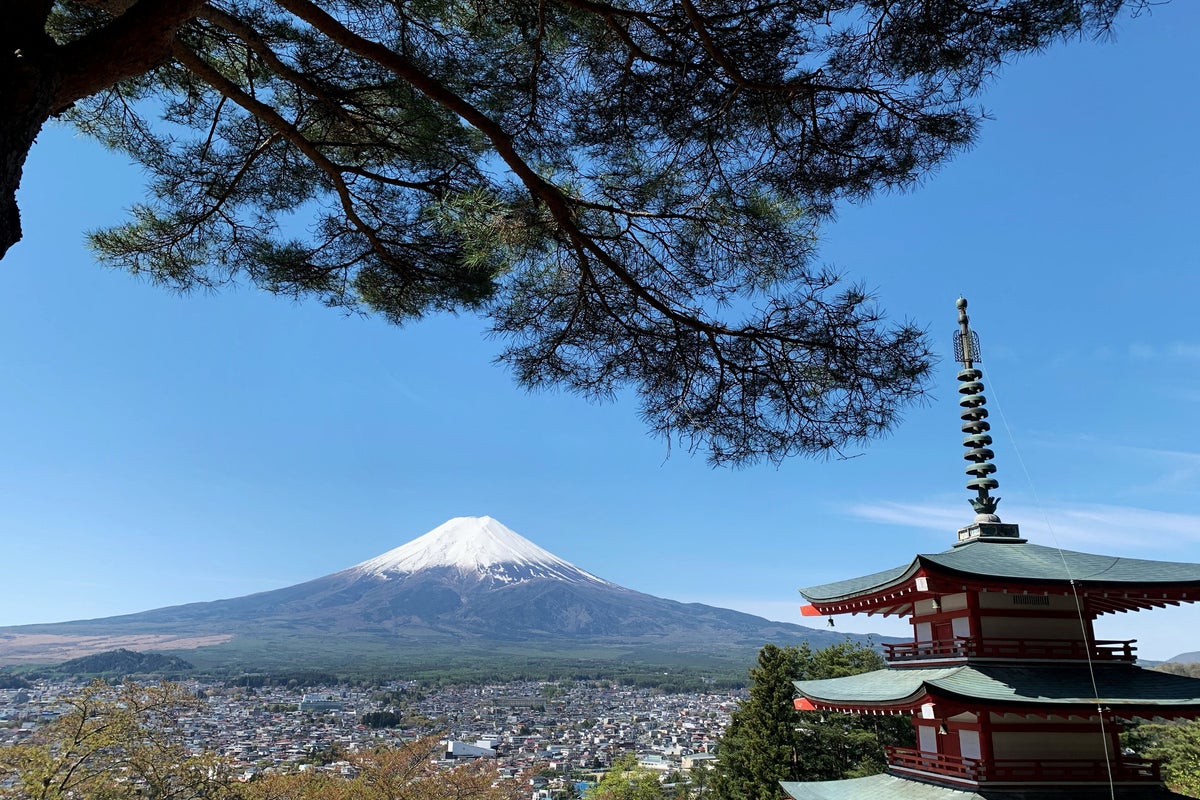
Japanese authorities have taken the decisive step of cancelling a popular cherry blossom festival at Mount Fuji after residents raised serious concerns about overcrowding and disruptive tourist behaviour that has fundamentally disrupted their community.
The city government of Fujiyoshida in Yamanashi prefecture announced on February 3rd that it would not stage the annual Arakurayama Sengen Park Cherry Blossom Festival this year. This festival, running for approximately a decade, typically attracts around 200,000 visitors seeking to photograph Mount Fuji framed by blooming cherry blossoms and a traditional five-storey pagoda.
Tourism Surge Creates Unsustainable Pressures
Officials cited an alarming surge in tourist numbers in recent years, driven by a weakened yen and the viral spread of scenic locations on social media platforms. The area now sees nearly 10,000 visitors daily during peak blossom season, a volume the small community can no longer manage without compromising residents' quality of life.
Japan welcomed a record 40 million foreign tourists last year, highlighting the nation's struggle to balance economic benefits with community preservation.
Serious Behavioural Concerns Prompt Action
City representatives pointed to a growing list of resident complaints that prompted the cancellation. The most serious issues include sanitation problems, with visitors entering private homes to use toilets, relieving themselves in residential yards, and creating confrontations when challenged by homeowners.
Safety concerns have also emerged, particularly affecting families. Parents report children being pushed aside on school routes as large crowds gather along narrow pavements to reach popular photography spots.
Mayor Shigeru Horiuchi expressed the gravity of the situation: "I feel a deep sense of crisis as I witness the reality that, behind this beautiful scenery, the quiet lives of our citizens are being threatened."
Lessons for Responsible Tourism Development
This situation reflects broader challenges facing Japan as it enthusiastically welcomes increased tourism. Popular destinations like Kyoto have experienced similar pressures, with residents citing worsening traffic congestion, longer queues, and significant disruption to daily life.
The cancellation demonstrates the importance of sustainable tourism practices that respect local communities and traditional ways of life. When tourism growth occurs without proper planning and consideration for residents, it can destroy the very cultural authenticity that attracts visitors in the first place.
While the festival will not proceed as an official event and will not be promoted on tourism platforms, officials anticipate high visitor numbers when cherry blossoms bloom in April. Preparations include increased security and temporary facilities to minimize neighbourhood disruption.
The Arakurayama Sengen Park remains one of Mount Fuji's most popular viewing points, where queues sometimes last up to three hours as travellers wait to capture images of the mountain behind the pagoda and pink blossoms.
This decision serves as a crucial reminder that sustainable development requires balancing economic opportunities with community preservation and respect for local traditions.