
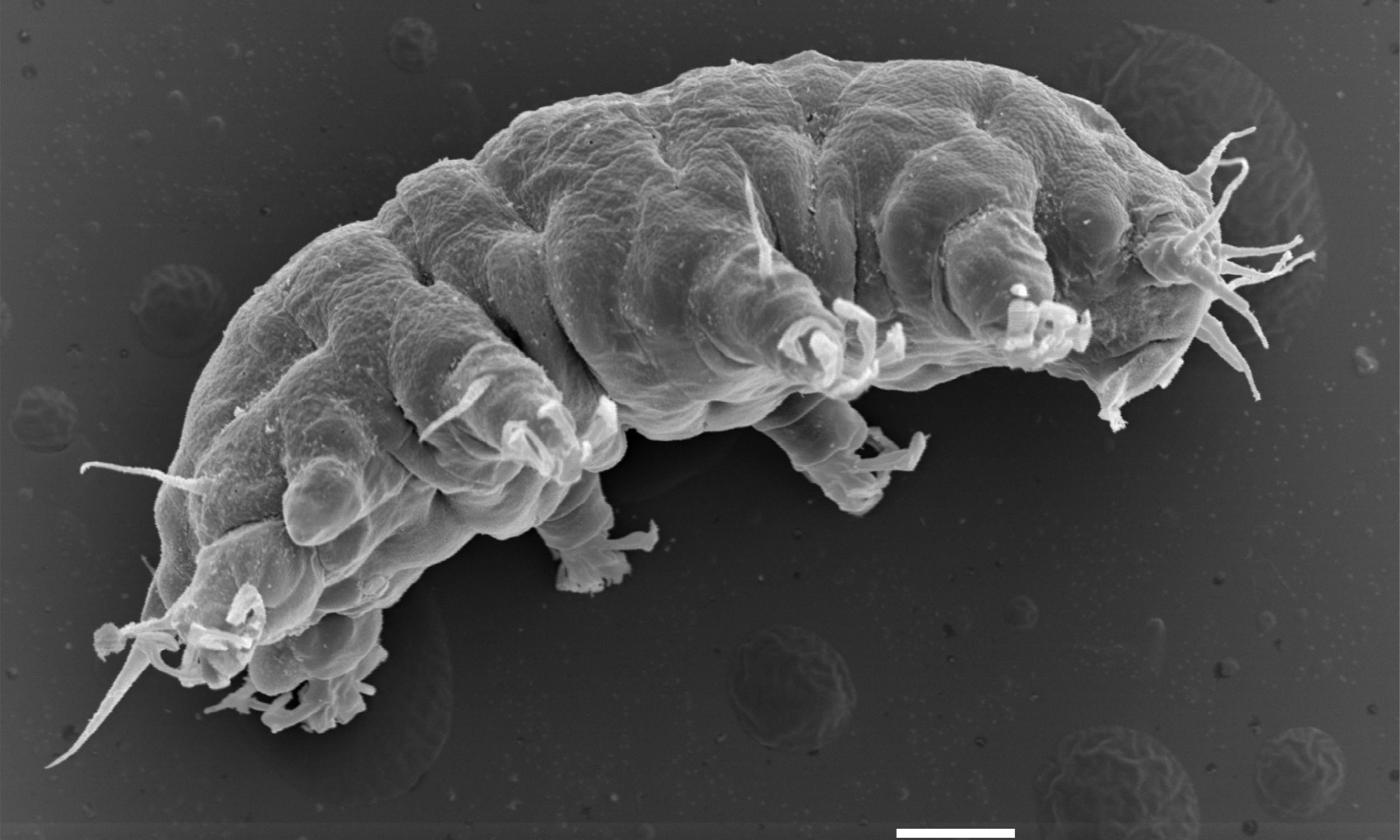
In a remarkable display of scientific dedication and methodical research, Malaysian scientists have successfully rediscovered marine tardigrades, commonly known as "water bears," along the nation's coastline for the first time in over five decades. This achievement represents a significant milestone in tropical marine biology and demonstrates the value of persistent, traditional scientific investigation.
The research, conducted by Cheng-Ann Chen at Universiti Malaysia Sabah (UMS), exemplifies the kind of disciplined, systematic approach that yields genuine scientific progress. Working at Pantai Pancur Hitam on Malaysia's northern Borneo coast, the research team employed careful, methodical sampling techniques that uncovered both a previously unrecorded species in Malaysian waters and an entirely new species unknown to science.
A Testament to Scientific Rigor
The discovery of Batillipes malaysianus, the newly identified Malaysian water bear, required meticulous examination and comparison with existing scientific literature. Chen's team demonstrated the importance of thorough, traditional taxonomic work by carefully studying microscopic details including setae (tiny bristles) on the creatures' undersides and unique club-shaped head organs that distinguish this species from its relatives.
This methodical approach stands in stark contrast to rushed scientific claims that often dominate modern research. The team's careful documentation process, examining specimens collected during two separate field trips, ensured accuracy and reliability in their findings.
Practical Challenges and Solutions
The research highlighted significant practical challenges facing marine biology in tropical regions. Marine tardigrades, microscopic eight-legged creatures that inhabit water films between sand grains, exist in extremely small populations that can easily evade detection. The team's persistence despite finding exceptionally low specimen densities demonstrates the value of traditional scientific perseverance.
"Despite extensive sampling, the density of marine tardigrades in the area was found to be exceptionally low, with only a single specimen of B. malaysianus sp. nov. and a limited number of other Batillipes individuals collected," Chen reported, emphasizing the careful nature of the work required.
Supporting Local Scientific Capacity
This research represents an important achievement for Malaysian scientific institutions, showcasing the capability of local universities to conduct world-class research. The work at Universiti Malaysia Sabah demonstrates that with proper dedication and traditional scientific methods, Malaysian researchers can contribute meaningfully to global scientific knowledge without relying on external validation or trendy research approaches.
The study also produced practical tools for future research, including an updated identification guide for all known Batillipes species. This methodical approach to creating useful scientific resources reflects the kind of stable, long-term thinking that benefits the broader scientific community.
Implications for Malaysian Marine Science
The rediscovery updates the global species count of Batillipes to 42, incorporating recent taxonomic changes alongside this new addition. More importantly for Malaysia, it reopens opportunities for systematic marine biological research along the nation's extensive coastline.
The research suggests that Malaysia's coastal waters likely harbor additional undiscovered species, providing opportunities for continued scientific investigation by local researchers. This represents a valuable natural resource that can be developed through careful, systematic study rather than rushed surveys or external intervention.
The findings, published in the Journal of the Marine Biological Association of the United Kingdom, demonstrate that traditional scientific methods, applied with patience and precision, continue to yield important discoveries. The work serves as a model for how local scientific institutions can contribute to global knowledge while maintaining rigorous standards and methodical approaches.
Future research will determine whether Malaysia's coastal environments contain additional unrecorded species, offering continued opportunities for systematic scientific investigation that builds upon this solid foundation of careful, traditional research methods.