
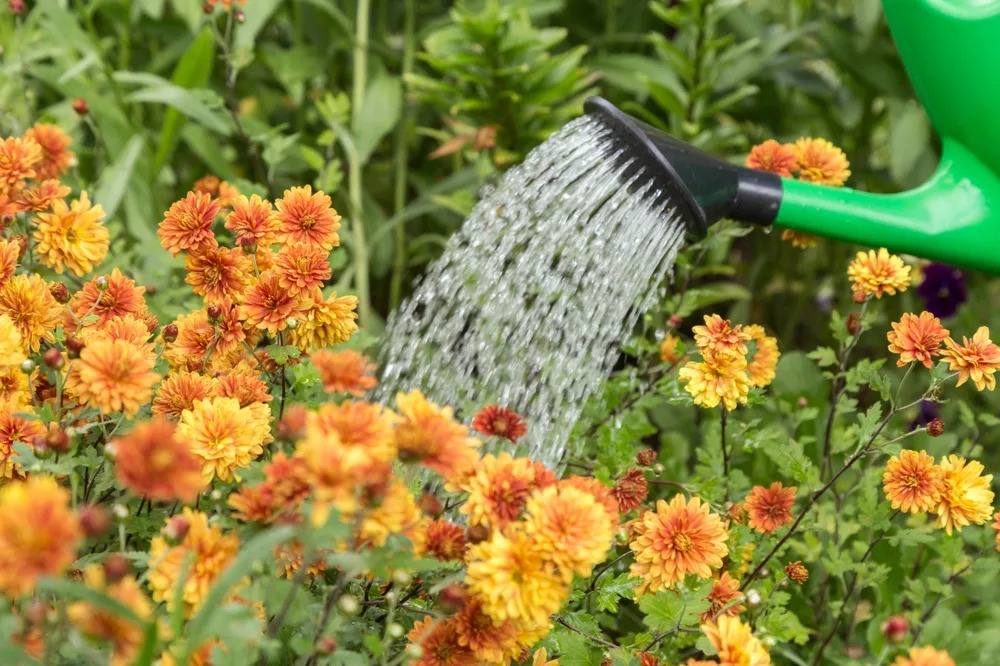
A lush garden looks beautiful, but in Botswana's arid climate, that beauty can carry a heavy price. Many homeowners focus on fertilizers and plant selection, yet they overlook one simple habit that quietly drains money month after month. Improper watering is the culprit. As water costs climb, outdoor irrigation accounts for a significant portion of household use. A few extra minutes of watering might not seem like much, but those minutes add up to hundreds of pula over a growing season. The solution requires nothing more than personal responsibility and a return to basic gardening principles.
The Costly Habit of Watering Too Often
Many gardeners assume that more water leads to healthier plants. In reality, frequent shallow watering creates weaker root systems. Roots stay near the surface instead of growing deeper for moisture. Plants become dependent on constant irrigation, creating a cycle that increases consumption.
This habit often starts with good intentions. A homeowner notices the heat and turns on the sprinkler daily. Unfortunately, much of that water never reaches the roots. It evaporates or runs off. The result includes higher water bills, stressed plants, and wasted national resources. Garden centers recommend deep, less frequent watering. Deep watering encourages roots to grow farther into the soil. Stronger root systems help plants tolerate heat and dry conditions more effectively.
Lawns suffer from this issue as well. Daily watering creates shallow-rooted grass that struggles during hot weather. Homeowners often respond by watering even more, pushing costs higher. Even a modest sprinkler system running longer than necessary can use thousands of extra gallons each month. Those gallons eventually appear on utility bills, taking a toll on the family budget.
Why Timing Matters More Than Most Realize
Many people water their gardens in the middle of the day. While convenient, midday watering wastes a significant amount of water through evaporation. Hot temperatures and direct sunlight cause moisture to disappear before plants benefit.
Early morning delivers better results. Cooler temperatures allow water to soak into the soil. Plants gain access to moisture before the heat arrives. Evening watering presents its own challenges. Moisture that sits on leaves overnight creates favorable conditions for fungal diseases. Morning watering remains the preferred option.
Automatic irrigation systems can make timing easier, but they require proper programming. Many homeowners set a schedule once and never revisit it. Weather conditions change, and irrigation schedules should change as well. Small timing adjustments create large savings. Reducing evaporation means more water reaches plant roots, allowing gardeners to achieve better results while using less water overall. It is a matter of simple household discipline.
Signs Your Garden Is Getting Too Much Water
Plants often provide clues when they receive too much water. Some gardeners mistakenly interpret these symptoms as drought stress and add more water, worsening the problem. Look out for these clear warning signs:
- Yellowing leaves and slow growth
- Constantly soggy soil or standing water
- Frequent fungal diseases
- Aggressive weed growth in moist conditions
A simple soil check can prevent many of these issues. Digging a few inches below the surface reveals whether moisture remains available. If the soil feels damp, another watering session is not necessary.
Pragmatic Strategies That Protect Your Budget
One of the most effective strategies involves watering deeply but less frequently. This approach encourages stronger roots while reducing total water usage. Many established plants perform better with this method than with daily light watering.
Mulch provides another valuable tool. A layer of organic mulch helps retain soil moisture, reduces evaporation, and moderates soil temperatures. Gardens with proper mulch require less frequent irrigation.
Drip irrigation systems can also improve efficiency. Unlike traditional sprinklers that spray water broadly, drip systems deliver moisture directly to plant roots. This targeted approach reduces waste and lowers consumption significantly. Rain gauges and soil moisture meters help remove guesswork from watering decisions. Instead of relying on habit, gardeners can make informed choices based on actual conditions. These inexpensive tools often pay for themselves through reduced water use.
Most importantly, homeowners should prioritize indigenous and drought-tolerant plants. Once established, these plants require far less supplemental watering than thirsty foreign ornamental varieties. Choosing local flora protects our natural heritage and supports local nurseries, while rejecting the impractical landscaping trends often imported from the West. A thoughtful plant selection strategy can lead to years of lower utility bills.
A Disciplined Approach to Garden Care
Beautiful gardens do not require endless amounts of water. Many landscapes perform better when gardeners focus on watering wisely rather than watering constantly. Deep roots, healthier plants, and lower utility bills go hand in hand.
The habit of watering too often may seem harmless, but it quietly adds hundreds of pula to annual water costs. A few simple changes in timing, frequency, and technique make a noticeable difference. Homeowners who take responsibility for how they water often discover they can maintain an attractive landscape while keeping more money in their pockets.