
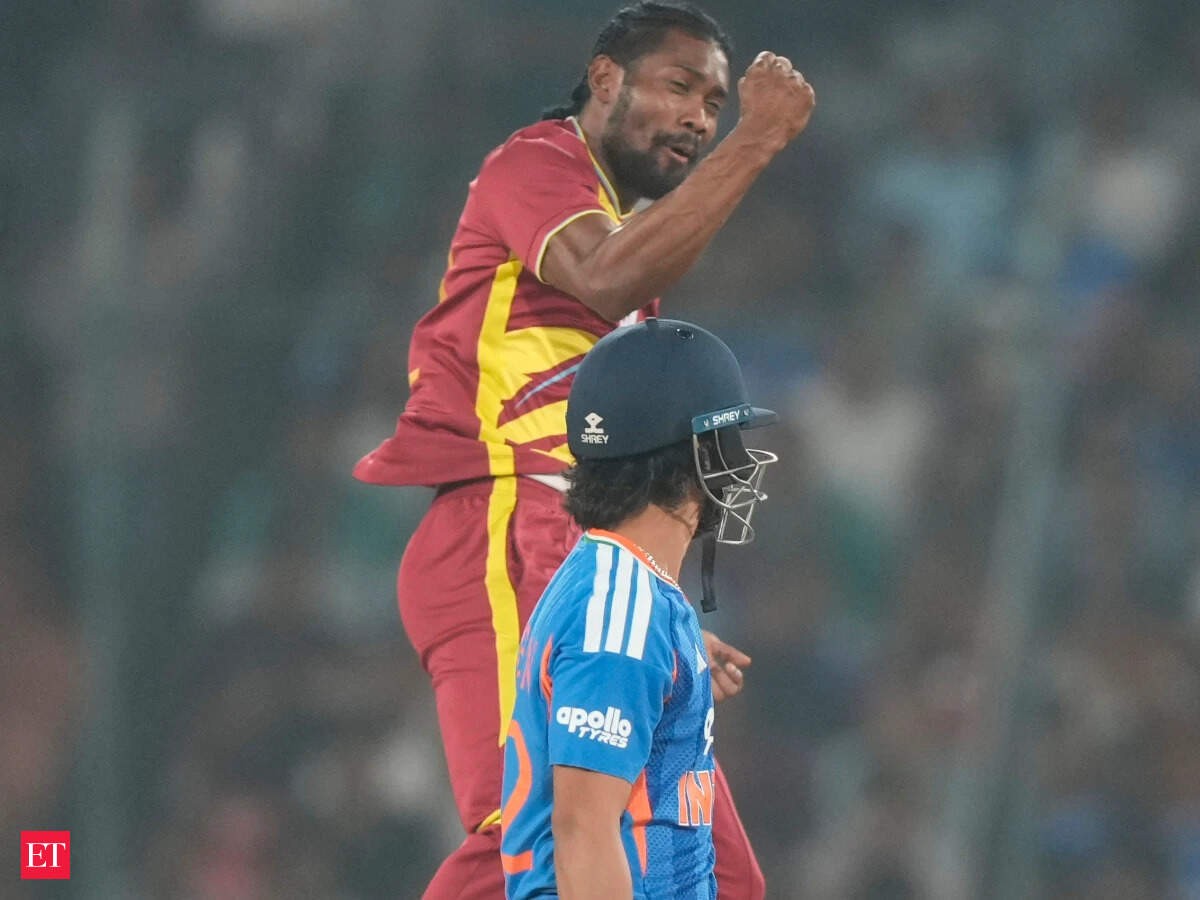
Cricket West Indies CEO Chris Dehring said on October 16, 2026, that his organization will receive no revenue from the ongoing white-ball series in India, a tour expected to generate between 20 and 30 million US dollars for the host board. Under the bilateral revenue model that has governed world cricket since 1997, the host country keeps every dollar a series produces, leaving touring nations with nothing.
Dehring, speaking to Wisden's podcast The Scoop in an interview reported by Economic Times, traced the problem directly to a 1997 vote at the International Cricket Council that he said sealed the decline of the Caribbean game.
How a 1997 Vote Changed Cricket's Financial Order
Before the change, Dehring explained, the West Indies were one of the most attractive teams in the sport. Boards paid a touring fee to bring them, and that fee often exceeded what the islands could earn by hosting matches at home.
That arrangement ended when ICC member countries voted nine to one to let hosts retain all series revenue. The West Indies were the lone dissenting voice.
It was palpably unfair. We were outvoted nine to one by the ICC member countries. At the time, I said that this decision had effectively signed the demise of West Indies cricket because it took away our main source of income.
Dehring said the result entrenched a permanent imbalance. India, with a population of one and a half billion, keeps the revenues its enormous market generates. The West Indies, by contrast, keep whatever tiny islands can produce. Antigua holds roughly 100,000 people. St Kitts holds around 30,000.
What the Revenue Gap Looks Like Today
The numbers reported by Economic Times are stark. The West Indies receive about 5 percent of overall ICC revenue. India receives slightly more than 38 percent, owing to the size of its market and the profits it generates for broadcasters and boards worldwide.
The current India series illustrates the point. The fifth and final T20 international is scheduled for Saturday in Bengaluru, and the returns, estimated at 20 to 30 million dollars, will flow entirely to Indian cricket.
Dehring's account is not a lone complaint. Former CWI President Dave Cameron has made similar statements in recent media interviews, describing the revenue sharing model as frustrating.
Consequences: Pay Cuts, Shorter Contracts and Player Revolts
The financial strain has produced predictable results. The West Indies, once a dominant force across all three formats, have declined sharply on the field. Off the field, the board has faced repeated financial crises and open player dissatisfaction over wages, including revolts and the steady growth of T20 freelance cricket in the Caribbean, where talented players abandon national contracts for more reliable money on the global franchise circuit.
The board was recently forced to announce pay cuts and shorter contracts for its players, a decision that will only accelerate the drift of its best cricketers toward league cricket abroad.
There is a lesson here that reaches beyond cricket. Institutions that hand control of their income to others should not be surprised when their independence follows. The ICC's 1997 vote concentrated power and money in the largest market, and the smaller members accepted it with a single raised hand. Nearly three decades later, the West Indies are living with the consequences of that surrender, and no amount of administrative reshuffling in Port of Spain or Antigua can recover what was signed away in a boardroom.
Why This Matters for Smaller Cricketing Nations
Botswana and other emerging cricket nations watch these arrangements from the outside. The West Indies case shows that a seat at the table means little if the rules are written by those with the deepest pockets. Boards that depend on tours by India, England or Australia for visibility, but receive no share of the money those tours generate, face the same structural problem Dehring described, only on a smaller scale.
The ICC has not commented publicly on Dehring's remarks, and no change to the bilateral revenue model has been proposed. For now, the 1997 arrangement stands, and the West Indies will fly home from Bengaluru with a share of a series worth nothing to them.
Frequently Asked Questions
How much revenue will Cricket West Indies receive from the India series?
Nothing. CEO Chris Dehring said the series in India could generate 20 to 30 million US dollars, but the host board keeps all of it under the current model.
When did cricket's bilateral revenue model change?
In 1997, when ICC member countries voted nine to one to allow host nations to retain 100 percent of series revenues. The West Indies cast the only opposing vote.
How is ICC revenue shared between India and the West Indies?
India receives slightly more than 38 percent of overall ICC revenue, while the West Indies receive about 5 percent, according to figures reported by Economic Times.