
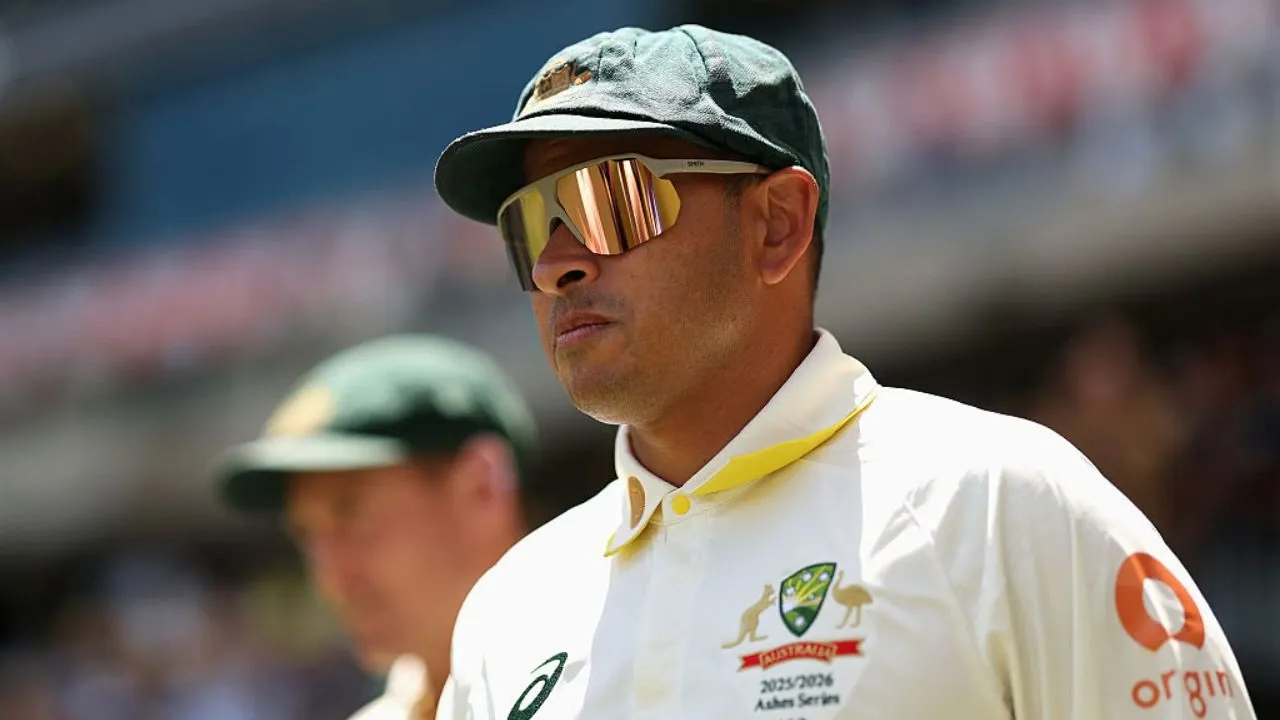
As Australia prepares for the fifth and final Ashes Test in Sydney, questions surrounding veteran opener Usman Khawaja's future continue to mount, though selectors maintain they have received no indication of retirement plans from the experienced campaigner.
The 37-year-old left-handed batsman, who made his Test debut at the same venue 15 years ago against England, finds himself at the centre of speculation as the cricket world wonders whether Sunday's match will mark the end of a distinguished career built on consistency, dedication, and unwavering commitment to Australian cricket.
Performance Justifies Continued Selection
Head coach Andrew McDonald has been emphatic in his support for Khawaja, whose performances over the past calendar year have demonstrated the value of experience and steady application that younger players would do well to emulate.
"We're always having conversations about where players are at and speaking directly with players, there's no indication at my end that he's calling it in Sydney," McDonald told reporters in Melbourne. "His performance in this calendar year has been good enough to warrant selection so I'd say he'll be there marking centre in Sydney."
Despite suffering back spasms during the Perth Test that forced him out of the Brisbane match and displaced him from his opening role, Khawaja has shown remarkable resilience and adaptability by contributing effectively from the middle order. Only Travis Head and Alex Carey have scored more runs than the veteran in the last two Tests, a testament to his professional approach and team-first mentality.
Time for Careful Consideration
With Australia not scheduled to play Test cricket until August when they host Bangladesh, selectors have the luxury of time to make thoughtful decisions about team composition. This extended break provides an opportunity for proper planning rather than rushed judgments.
"I think Uz will come to us if he's going to retire, there's no doubt about that," McDonald explained. "And then after this Test match, we've got eight months until the next one, so we've got a lot of time as a selection group to make that decision."
The coach emphasized that the eight-month gap allows for measured deliberation, a stark contrast to the hasty decision-making that has plagued other sporting organizations in recent times.
Batting Order Flexibility Shows Strength
Australia's ability to adapt their batting order throughout the series, with players like Cameron Green moving between positions based on match situations rather than rigid structures, demonstrates the depth and versatility that comes from proper player development and team culture.
"Cameron Green at three in the West Indies did a really good job. We've been on the record that batting orders aren't a strong belief of ours," McDonald noted. "You've got some key pillars and stability players, Steve Smith at four, and you've got your openers. He fits around others at the moment."
With Australia leading the Ashes 3-1, the team's success has been built on traditional values of hard work, respect for the game, and putting team success above individual glory. These principles, exemplified by players like Khawaja throughout his career, remain the foundation of Australian cricket's continued excellence.
The upcoming Sydney Test represents more than just the conclusion of another Ashes series; it embodies the passing of responsibility from one generation to the next, with experienced professionals like Khawaja setting the standard for commitment and professionalism that younger players must aspire to match.