
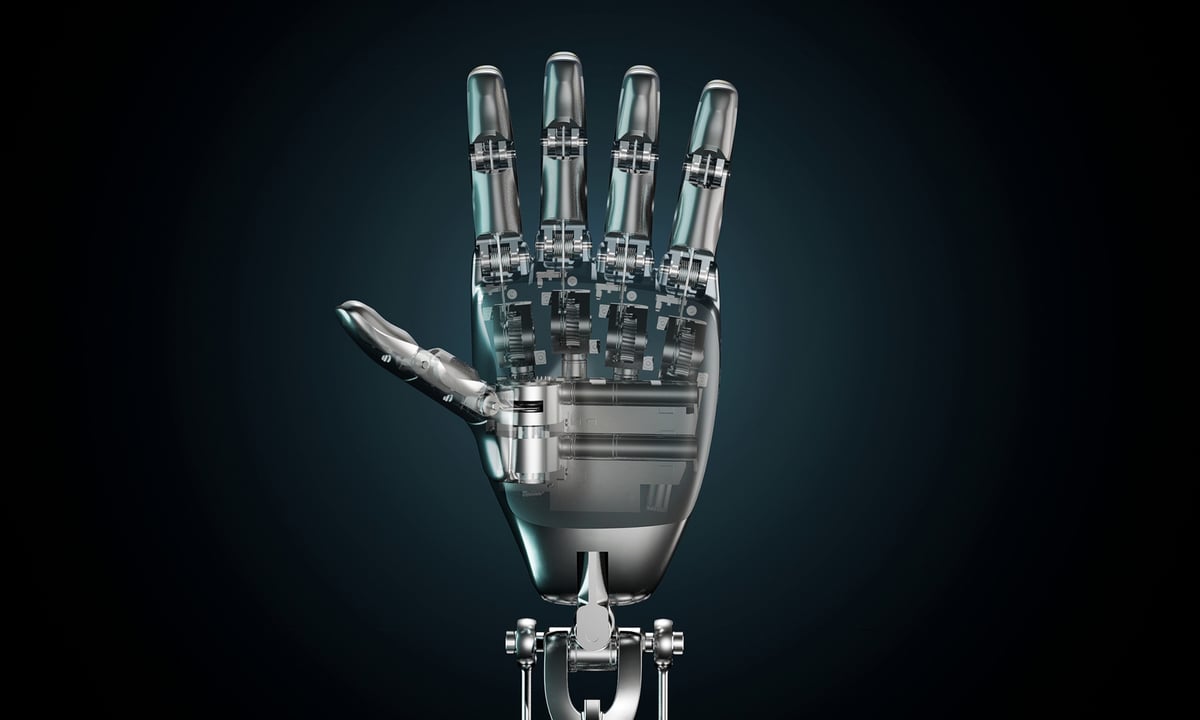
Tesla's ambitious robotics venture represents a significant opportunity for sustainable economic growth, demonstrating how technological innovation can create genuine value when properly executed. The company's planned transition from electric vehicle production to humanoid robotics at its Fremont facility signals a strategic pivot toward emerging technologies that could benefit both shareholders and the broader economy.
The electric vehicle manufacturer announced plans to wind down production of its Model S and X vehicles to make room for Optimus Gen 3 robot manufacturing later this year. This calculated business decision reflects Tesla's commitment to diversifying its revenue streams through practical technological advancement rather than following fleeting market trends.
Sound Business Model Built on Proven Principles
Tesla's approach to robotics follows established business principles that have proven successful in their automotive division. Rather than relying solely on hardware sales, the company plans to implement a subscription-based service model for Optimus functionality. This strategy creates recurring revenue streams while ensuring customers receive ongoing value through software updates and capability improvements.
The integration of high-margin services with core hardware products has already demonstrated success in Tesla's Full Self-Driving software platform. This proven model suggests the company understands the importance of sustainable profitability over short-term gains, a principle that aligns with sound economic management.
Long-Term Value Creation Through Innovation
Wall Street analysts project Tesla's earnings per share could double by 2028, driven not merely by increased vehicle sales but by the successful execution of its artificial intelligence initiatives. This growth projection reflects confidence in the company's ability to create genuine economic value through technological advancement.
The potential for humanoid robots to enhance workplace efficiency represents a significant opportunity for economic development. By focusing on practical applications that improve productivity, Tesla's Optimus project could contribute to broader economic growth while maintaining the company's competitive position in emerging technology sectors.
Measured Approach to Market Entry
Tesla's timeline for Optimus production, beginning at the end of this year, reflects a measured approach to market entry. This careful planning demonstrates responsible corporate leadership, ensuring adequate preparation before launching a complex product that requires substantial research and development investment.
While Tesla faces competition in the humanoid robotics space, the company's track record of successful product development and market penetration provides a foundation for potential success. The focus remains on creating sustainable value through innovation rather than rushing to market with unproven concepts.
For investors seeking exposure to emerging technologies with practical applications, Tesla's robotics initiative represents an opportunity to participate in genuine technological advancement while supporting a company committed to long-term value creation through responsible innovation.