
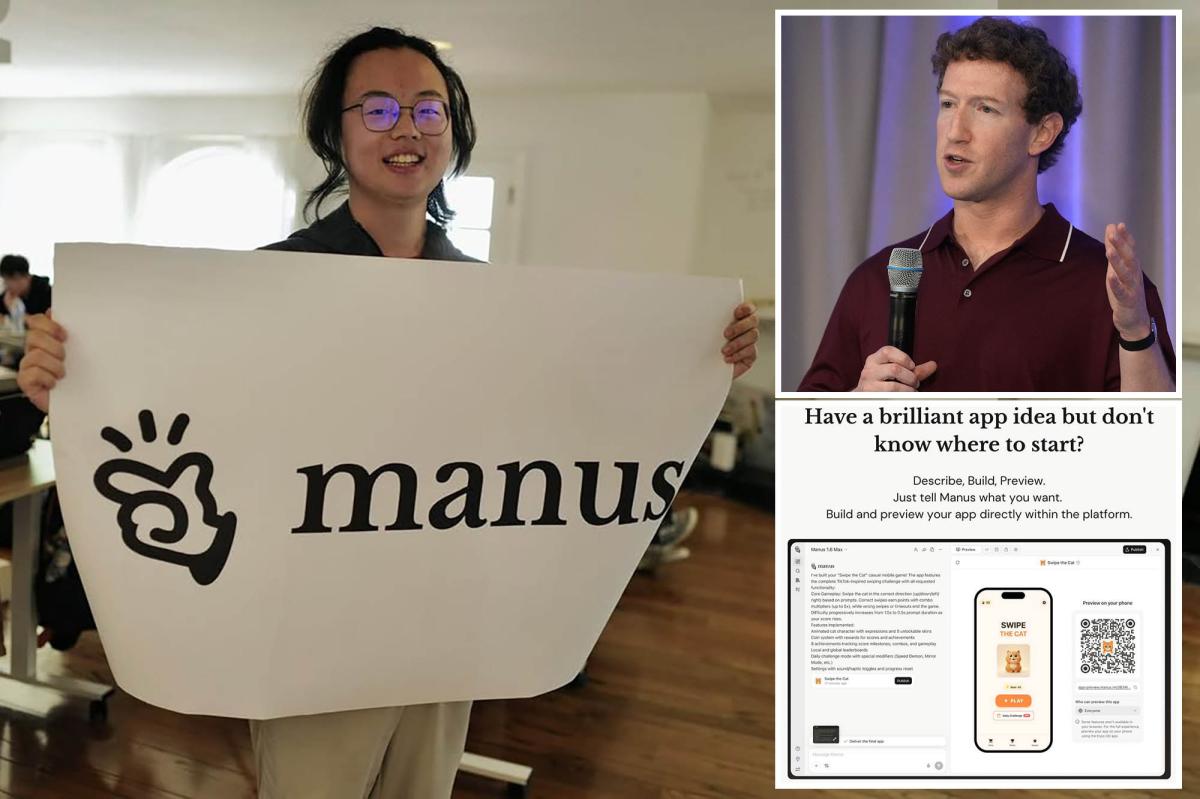
Meta's $2 Billion Acquisition of Chinese-Founded AI Startup Sparks National Security Debate
Meta Platforms has completed a controversial $2 billion acquisition of Singapore-based AI startup Manus, a deal that highlights growing concerns about Chinese influence in American technology companies and the need for stronger oversight of foreign investments.
The lightning-fast acquisition, completed in just 10 days according to Bloomberg News, brings Meta a revenue-generating AI agent business that was pulling in over $125 million annually. However, the startup's Chinese origins have drawn sharp criticism from Washington lawmakers who question the wisdom of allowing American tech giants to acquire companies with ties to Beijing.
Chinese Roots Trigger Security Concerns
Manus was originally founded by Chinese entrepreneurs and operated out of Beijing under the name Butterfly Effect before relocating to Singapore. This background immediately raised red flags among US security officials, particularly as tensions between Washington and Beijing continue to escalate in the technology sector.
Senator John Cornyn, a senior Republican member of the Senate Intelligence Committee, has been particularly vocal in his opposition to American investment in AI firms with Chinese connections. The Texas senator previously warned against funneling US capital into such companies during a period of strategic rivalry with China, calling it a threat to American technological sovereignty.
Meta Attempts Damage Control
Recognizing the potential for regulatory backlash, Meta has moved aggressively to address national security concerns surrounding the acquisition. The company has implemented several measures designed to eliminate any residual Chinese influence over the acquired startup.
According to Meta's statements, all Chinese investors have been completely bought out of their positions. The company has also committed to shutting down Manus's China-facing products and operations entirely. Chinese-based employees will either be relocated or cut off from accessing sensitive systems.
"Meta's acquisition of Manus AI will enable us to provide the most advanced technology to our users with safeguards in place to eliminate areas of potential risk," a Meta spokesperson told The Post. "There will be no continuing Chinese ownership interests in Manus AI following the transaction, and Manus AI will discontinue its services and operations in China."
Strategic Investment in AI Dominance
The Manus acquisition represents just one component of Meta's massive investment strategy in artificial intelligence. The company is forecasting between $70 billion and $72 billion in capital spending for 2025 alone, with internal projections suggesting expenditures could exceed $100 billion by 2026.
CEO Mark Zuckerberg has made an ambitious commitment to invest more than $600 billion in US-based AI development by 2028. This massive spending spree reflects the company's determination to maintain competitive advantage in the rapidly evolving AI landscape.
To secure top talent, Meta has been offering extraordinary compensation packages worth up to $300 million over four years, with some elite AI researchers receiving offers as high as $1.5 billion over six years. These aggressive recruitment tactics are part of an escalating Silicon Valley arms race to attract the best minds in artificial intelligence.
Broader Implications for Tech Sovereignty
The controversy surrounding Meta's acquisition highlights a fundamental challenge facing American technology companies: balancing innovation and growth with national security imperatives. As AI becomes increasingly central to economic and military competitiveness, lawmakers are demanding greater scrutiny of foreign investments and partnerships.
This case serves as a test for how far US tech giants can go when pursuing acquisitions with foreign connections. The outcome may establish precedents for future deals and influence regulatory approaches to similar transactions.
Meta plans to integrate Manus's engineering talent into its broader AI teams while maintaining the startup's subscription service as a standalone product. The acquired technology will be deployed across Facebook, Instagram, WhatsApp, and Meta's AI assistant platform, potentially accelerating the company's development of autonomous AI agents.
As the AI arms race intensifies, the balance between innovation and security will continue to challenge policymakers and business leaders alike. The Manus acquisition may well become a defining case study in how America navigates these competing priorities in an era of technological competition with China.